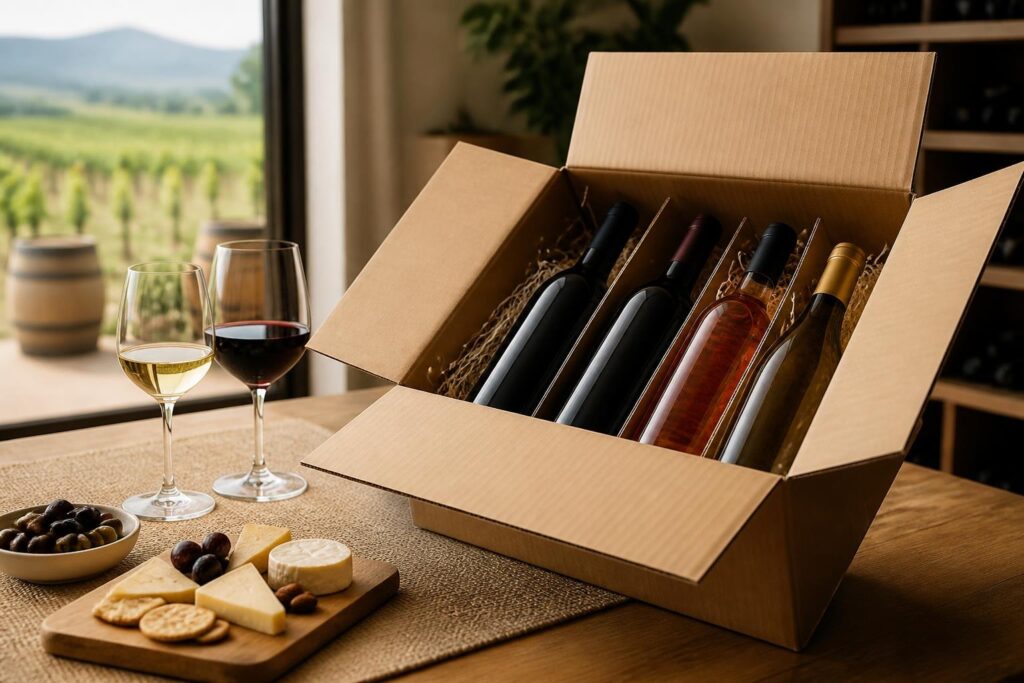
There's something utterly delicious about having a bottle of carefully selected wine arrive at your doorstep, like a little gift you've given yourself. Wine clubs have evolved far beyond the stuffy, exclusive membership models of decades past, and honestly? They've become one of those small luxuries that can actually fit into a thoughtful budget. Whether you're looking to expand your palate, impress dinner guests without the guesswork, or simply enjoy a glass of something special on a Tuesday evening, understanding how these memberships work can transform your relationship with wine entirely.
What Wine Clubs Actually Offer in 2026
Wine clubs have gotten seriously smart about what their members actually want. Gone are the days of random bottles showing up with zero context or care for your preferences.
Today's memberships typically include curated selections based on your taste profile, detailed tasting notes, exclusive access to limited releases, and often significant discounts on additional purchases. Many clubs now offer flexibility in shipment frequency, bottle quantity, and even pause options for when your budget needs breathing room.
Here's what most quality wine clubs include:
- Personalized wine selections based on your preferences
- Educational materials and pairing suggestions
- Priority access to new releases and small-batch wines
- Discounts ranging from 10% to 30% on wine purchases
- Complimentary or discounted tastings at the winery
- Exclusive member events and virtual experiences
The real shift happening right now is that wineries recognize they need to work harder for your loyalty. Why now is a great time to join a wine club comes down to enhanced hospitality experiences and better value propositions as the industry adapts to what we actually want.

The Real Cost Breakdown
Let's talk numbers, because that's where the rubber meets the road. Wine clubs typically range from $60 to $200+ per shipment, with most falling in the $80-120 sweet spot for two to three bottles.
| Membership Type | Price Range | Bottles Per Shipment | Best For |
|---|---|---|---|
| Entry-Level | $60-$90 | 2-3 bottles | Budget-conscious beginners |
| Mid-Tier | $90-$150 | 3-4 bottles | Regular wine drinkers |
| Premium | $150-$250 | 4-6 bottles | Collectors and enthusiasts |
| Luxury | $250+ | 6-12 bottles | Special occasions only |
Here's the thing though: the sticker price isn't the whole story. You need to consider what you're already spending on wine. If you're dropping $15-20 per bottle at your local wine shop twice a month, a $100 quarterly shipment that delivers three $25-value bottles might actually save you money while upgrading your wine game.
Calculate your current wine spending over three months. Be honest about those Target runs where a bottle somehow jumps into your cart. Then compare that to membership costs, factoring in the discounts on additional purchases if you entertain regularly.
Hidden Costs and Sneaky Fees
Watch out for shipping charges that aren't included in membership fees. Some clubs charge $15-25 per shipment for shipping, which adds up fast. Others include shipping in their pricing, which is cleaner budgeting.
Cancellation policies matter too. Some require 30-60 days notice, and a few still have minimum commitment periods. Read that fine print before you commit, especially if you're testing the waters.
Finding Your Perfect Match
Not all wine clubs are created equal, and finding the right fit is like dating, just with better odds of success.
Consider these factors:
- Your actual wine preferences – Do you lean red, white, rosé, or want variety?
- How much you realistically drink – Monthly shipments sound fun until your closet becomes a wine cellar
- Your budget flexibility – Can you absorb unexpected charges or do you need predictable pricing?
- Geographic restrictions – Some states have shipping limitations that affect availability
- Educational interest – Do you want to learn or just drink?
The best clubs let you customize your experience. How wineries are reinventing wine clubs for millennials and Gen Z shows how flexibility and personalization have become non-negotiable for modern consumers.
I particularly love clubs that let you skip shipments when money's tight or you're traveling, much like how flexible fashion rental services work. That kind of control keeps memberships sustainable long-term.

Making Wine Clubs Work for Your Budget
Here's where we get practical about integrating wine clubs into your financial life without guilt or overspending.
Start small and scale strategically. Quarterly shipments give you breathing room between charges and let you assess whether the value matches your lifestyle. You can always increase frequency later, but dialing back feels like failure even when it's just smart budgeting.
Think of your membership as part of your entertainment or self-care budget rather than groceries. This mental accounting helps you evaluate the true trade-off. Would you rather have this wine delivery or three takeout lunches? Neither answer is wrong, but being intentional matters.
The Multi-Purpose Strategy
Wine clubs earn their keep when you leverage every benefit. Those member discounts on additional bottles? Use them for hostess gifts instead of buying random bottles at full price elsewhere. The complimentary tastings? Plan a birthday celebration or anniversary trip around them instead of paying for separate entertainment.
Virtual tasting events that many clubs now offer can replace expensive classes. You're getting education, entertainment, and wine all in one package. That's the kind of efficient spending that feels good.
Track your usage like you would any subscription. Set a calendar reminder every quarter to assess: Are you drinking the wine? Using the benefits? Getting excited about shipments? If it's collecting dust or causing stress, it's not serving you.
The Retention Reality Check
Let's address something important: the wine club retention crisis shows that nearly 40% of members cancel within their first year. That's not because wine clubs are inherently problematic, but because expectations and reality don't always align.
Common disappointment points include receiving wines that don't match your taste, feeling overwhelmed by the volume, or realizing the financial commitment doesn't fit your current season of life. These are all valid reasons to reassess, not reasons to feel guilty.
Signs a wine club isn't working:
- Bottles are piling up faster than you're drinking them
- You're consistently disappointed with selections
- The charge hitting your account causes stress
- You're not using any of the member benefits
- The wine isn't actually better than what you'd choose yourself
The solution might be switching to a different club with better curation, reducing shipment frequency, or simply acknowledging that this particular luxury doesn't align with your priorities right now. As with managing debt strategically, knowing when to cut a recurring expense is a strength, not a failure.
Alternative Wine Club Models
The traditional winery-direct model isn't your only option anymore, and some alternatives offer better flexibility for our lifestyle.
Marketplace wine clubs curate bottles from multiple wineries, giving you variety without commitment to a single producer. These often have better pause and skip options because they're not tied to a specific production schedule.
Sommelier-selected clubs focus on education and discovery, pairing wines with detailed tasting guides and food pairing suggestions. If you're trying to develop your palate, this approach delivers more value than just receiving bottles.
Niche specialty clubs focus on specific regions, organic wines, female winemakers, or small production vintages. These scratch a particular itch and often support values-aligned businesses, which adds meaning to your purchase.
| Club Model | Flexibility | Education Level | Price Point | Best For |
|---|---|---|---|---|
| Winery Direct | Low-Medium | Medium | $80-$150 | Loyalty to specific brands |
| Marketplace | High | Low-Medium | $70-$130 | Variety seekers |
| Sommelier-Curated | Medium | High | $90-$180 | Wine learners |
| Specialty/Niche | Medium | High | $85-$200 | Value-driven consumers |

Cultural Shifts Worth Noting
Something interesting is happening in wine culture that makes this moment particularly compelling for joining wine clubs. How wine tasting clubs are shaping France’s wine culture reveals that informal tasting communities are sustaining appreciation amid declining consumption, especially among younger generations.
This speaks to a broader trend: wine is becoming less about pretension and more about connection, education, and enjoyment. The best wine clubs tap into this shift by fostering community rather than just selling products.
Virtual member events, private Facebook groups, and interactive tasting sessions create belonging. When your membership includes access to a community of fellow wine enthusiasts, you're getting social connection alongside your bottles, which has real value in our often-isolated modern lives.
Maximizing Your Membership Benefits
Once you've committed to a wine club, work it like the investment it is.
Create a system for your wines. Note tasting dates, pair them with meals, and actually read those tasting notes instead of tossing them. This isn't homework; it's part of the enjoyment and helps you refine what you like for future selections.
Use those member-only shopping periods strategically. Stock up during 20-30% off sales for gifts, celebrations, or future dinner parties. The math works better when you're buying six bottles at a discount than paying full retail elsewhere.
Book your complimentary tastings during off-peak times if possible. You'll get more attention from staff, better conversation, and a richer experience. Think of it like visiting popular restaurants for lunch instead of dinner, similar strategies for better experiences.
Share memberships with friends if the club allows it. Some let you ship to multiple addresses, making it possible to split costs and bottles with a wine-loving friend. You both get variety, cut expenses, and have built-in tasting partners.
When Wine Clubs Make Perfect Sense
Certain life situations make wine clubs particularly valuable. If you're hosting regular dinner parties or book clubs, having quality wine on hand without last-minute shopping runs is genuinely useful, much like how meal delivery services solve the "what's for dinner" problem.
For gift-givers, member discounts on additional bottles mean you're never scrambling for hostess gifts or birthday presents. You've got curated, quality options ready to go, often at better prices than retail.
Learning-focused drinkers get immense value from the educational components. If you genuinely want to understand wine regions, varietals, and production methods, paying $100 for three bottles plus detailed educational materials beats taking a $150 wine class where you taste smaller pours.
Wine clubs shine when you:
- Host gatherings regularly and need reliable quality
- Want to explore new regions and styles with guidance
- Appreciate having decisions made for you by experts
- Value the experience and ritual of anticipation
- Can absorb the cost without financial stress
They're less ideal when you're in debt-payoff mode, rarely drink at home, have extremely specific taste preferences, or find subscription management stressful rather than delightful.
The Indifference Problem
Here's something worth understanding: wine clubs aren’t dead, but indifference is the real challenge. Wineries that fail to foster genuine engagement lose members not because the wine is bad, but because the relationship feels transactional.
This matters for you as a consumer because it reveals what to look for. The clubs that will serve you best long-term are the ones investing in connection, not just fulfillment. They remember your preferences, respond to feedback, create meaningful touchpoints, and treat you like a valued guest rather than a subscription number.
Ask questions during your research phase. How does the club incorporate feedback? What happens if you receive a bottle you don't like? Can you actually talk to a human when needed? These indicators reveal whether the membership will feel supportive or frustrating six months in.
Seasonal Considerations and Timing
Join wine clubs during slower periods if possible. Many offer promotional rates or waived shipping in January and February when everyone's recovering from holiday spending. You get the same benefits at better introductory pricing.
Consider shipment timing relative to your own life rhythms. If summers mean you're traveling frequently or winters bring tight budgets, align your shipments accordingly. Quarterly memberships that arrive in March, June, September, and December might sync better with your cash flow than monthly deliveries.
Temperature matters for shipping too. Some clubs pause summer shipments to avoid heat damage, which is smart for wine quality but might affect your enjoyment schedule. Others include cold packs and expedited shipping, adding to their value proposition.
Think about your consumption patterns honestly. Do you drink more wine during cozy fall and winter months? Summer entertaining season? Match your membership intensity to when you'll actually enjoy it most, similar to how you might approach seasonal living and rituals throughout the year.
Making the Decision
Ultimately, wine clubs work when they genuinely enhance your life without causing financial stress or guilt. They should feel like a treat you've consciously chosen, not an obligation draining your account.
Start with a trial if available. Many clubs offer first-shipment discounts or money-back guarantees. Test the experience before committing long-term, just like you'd try a sample before buying the whole bottle.
Compare at least three options in your price range. Look beyond the wine itself to policies, flexibility, and the overall member experience. The cheapest option isn't always the best value, and the most expensive isn't necessarily superior.
Trust your gut about whether this fits your current life. If you're excited about the prospect and can genuinely afford it without sacrifice, that's your green light. If you're trying to talk yourself into it or hoping it'll magically make you more sophisticated, maybe wait for a better season.
Wine clubs can absolutely be part of building a beautiful, intentional life on a budget. They just need to be chosen wisely, managed actively, and enjoyed fully for exactly what they are: a small, lovely luxury that brings pleasure to your table and possibly education to your palate.
Wine clubs can genuinely enhance your lifestyle when chosen thoughtfully and managed with the same intentionality you bring to every other aspect of your beautiful life. Whether you're exploring new regions, stocking up for entertaining, or simply treating yourself to better wine at home, the right membership fits seamlessly into your budget and values. For more ideas on creating a rich, layered life without overspending, explore everything Seasonably Fare has to offer, from wellness and style to travel and intentional living.