There’s something magical about learning to cook in the place where the food actually comes from. And when that place happens to be Phuket, with its vibrant markets, impossibly fresh ingredients, and cooking traditions passed down through generations, well, you’re in for a treat that goes way beyond just learning a recipe. Taking cooking classes in Phuket isn’t just about mastering pad Thai (though you’ll definitely do that). It’s about bringing home a skill that’ll transform your weeknight dinners, impress your friends at potlucks, and give you a delicious souvenir that doesn’t take up any suitcase space. Plus, it’s the kind of meaningful travel experience that sticks with you long after your tan fades.
I highly recommend experiencing a cooking class on your travels. Food is always an experience, but immersing oneself in the language of culinary expression, led by an expert in the cuisine that lives and breathes the culture, is the grandest way to absorb all aspects of food and place. I’ve had similar cooking class experiences in Athens, Greece; Florence, Italy; and now Phuket, Thailand.
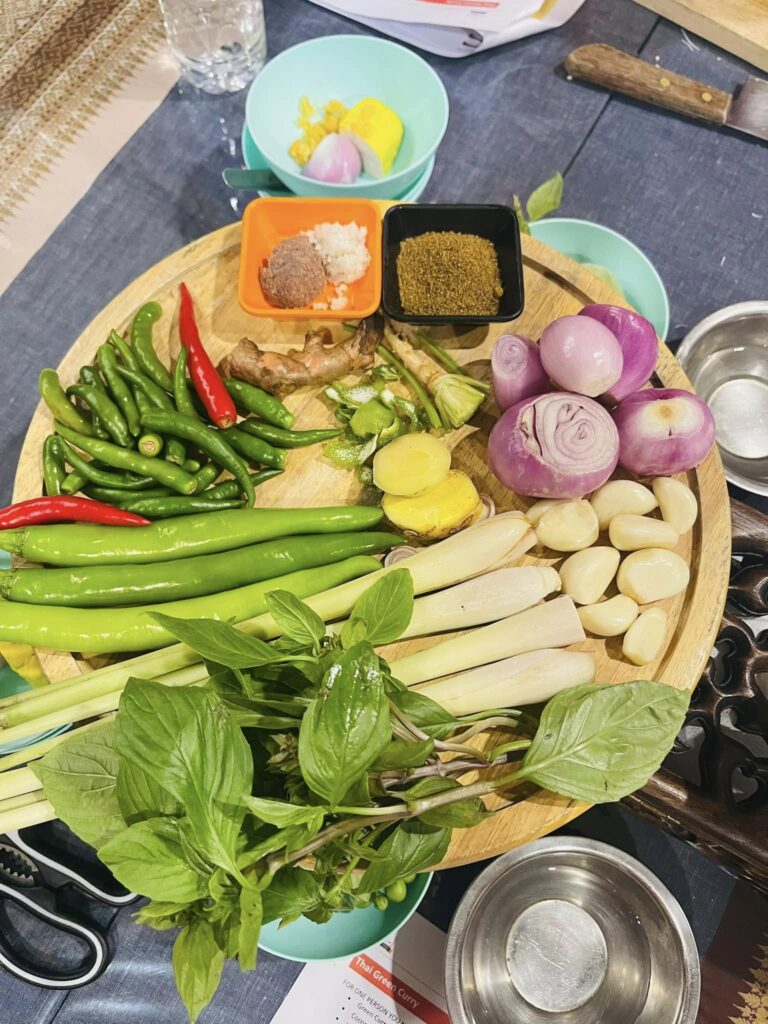
Table of Contents
Why Cooking Classes Make Your Phuket Trip Unforgettable
Let’s be honest: you can only take so many photos of the same stunning beach before you start craving something different. That’s where cooking classes come in, offering a deeper connection to Thai culture than any resort buffet ever could.
These classes typically start with a market tour, which is honestly half the fun. You’ll wander through local markets alongside your instructor, touching, smelling, and tasting ingredients you’ve never encountered before. Thai basil versus holy basil? You’ll learn the difference. That mysterious pink root that looks like ginger? That’s galangal, darling, and it’s about to become your new favorite thing.
What makes these classes special:
- Hands-on learning with personalized attention
- Market tours that demystify Thai ingredients
- Small group sizes for better instruction
- Recipes you can actually recreate at home
- Cultural insights you’d never get from a cookbook
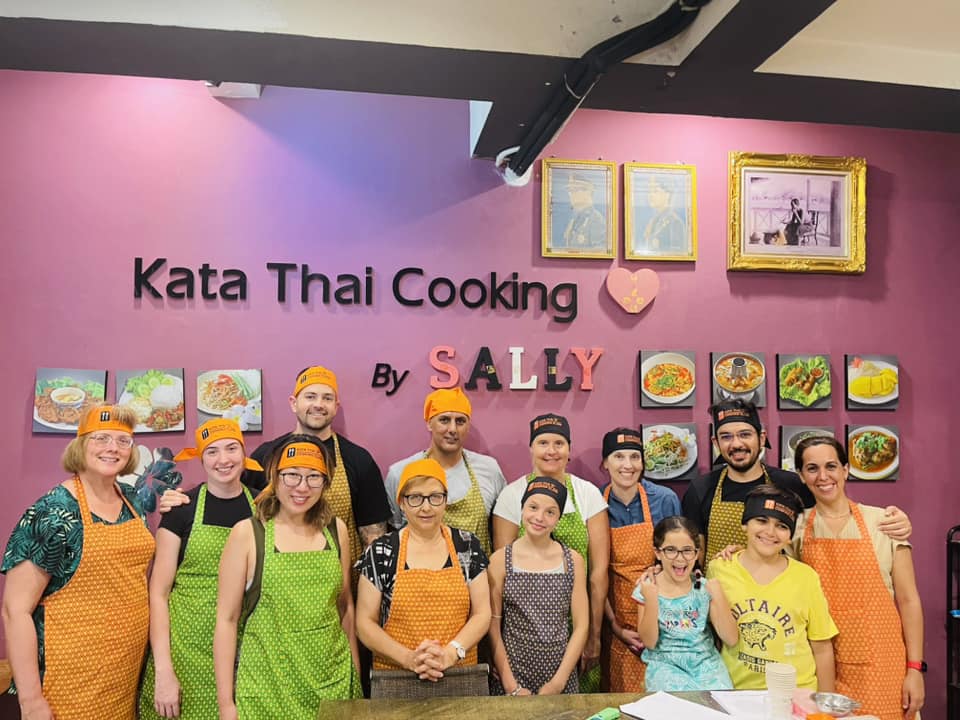
The Phuket Thai Cooking Academy and Kata Thai Cooking have both built reputations on exactly this kind of immersive experience, offering free hotel pickups and customizable menus that let you focus on the dishes you’re most excited to learn.
Finding the Right Class for Your Cooking Level
Not all cooking classes in Phuket are created equal, and that’s actually a good thing. Whether you’re someone who can barely boil water or you’re already pretty handy in the kitchen, there’s a class designed specifically for you.
Beginner-Friendly Options
If your cooking skills are more “microwave popcorn” than “MasterChef,” don’t worry. The beginner Thai cooking classes at places like Phuket Thai Cooking Academy are designed with first-timers in mind. You’ll get step-by-step guidance, patient instructors who’ve seen it all, and recipes that break down complex flavors into manageable techniques.
These classes typically focus on four classic dishes you choose from a menu. Think green curry, tom yum soup, spring rolls, and mango sticky rice. Nothing too complicated, but impressive enough that you’ll feel like a total rockstar when you recreate them back home.
Advanced and Masterclass Experiences
For those who already know their way around a wok, the Thai Cooking Masterclass offers premium chef-curated menus with advanced techniques. We’re talking curry pastes made from scratch, intricate plating, and flavor balancing that goes beyond basic recipes.
| Class Type | Best For | Time Commitment | Price Range |
|---|---|---|---|
| Beginner | First-time cooks | 3-4 hours | $40-70 |
| Intermediate | Home cooks | 4-5 hours | $60-90 |
| Masterclass | Experienced cooks | 5-6 hours | $90-150 |
| Resort Classes | Luxury seekers | 3-4 hours | $100-200 |
The Blue Elephant cooking school offers discovery classes where you cook like an actual Thai chef, preparing multiple recipes in half a day. Their morning sessions include market visits that give you a real education in Thai produce and spices.
What to Expect During Your Class
Picture this: you arrive at a gorgeous cooking school (many are set in traditional Thai houses or tropical gardens), and you’re greeted with a welcome drink. Already, this beats standing in your kitchen at home staring blankly into your fridge, right?
Most cooking classes in Phuket follow a similar flow, though each school adds its own special touches. You’ll start with that market tour if it’s a morning class, learning to spot fresh lemongrass, choose the right chili peppers, and haggle like a local (gently, of course).
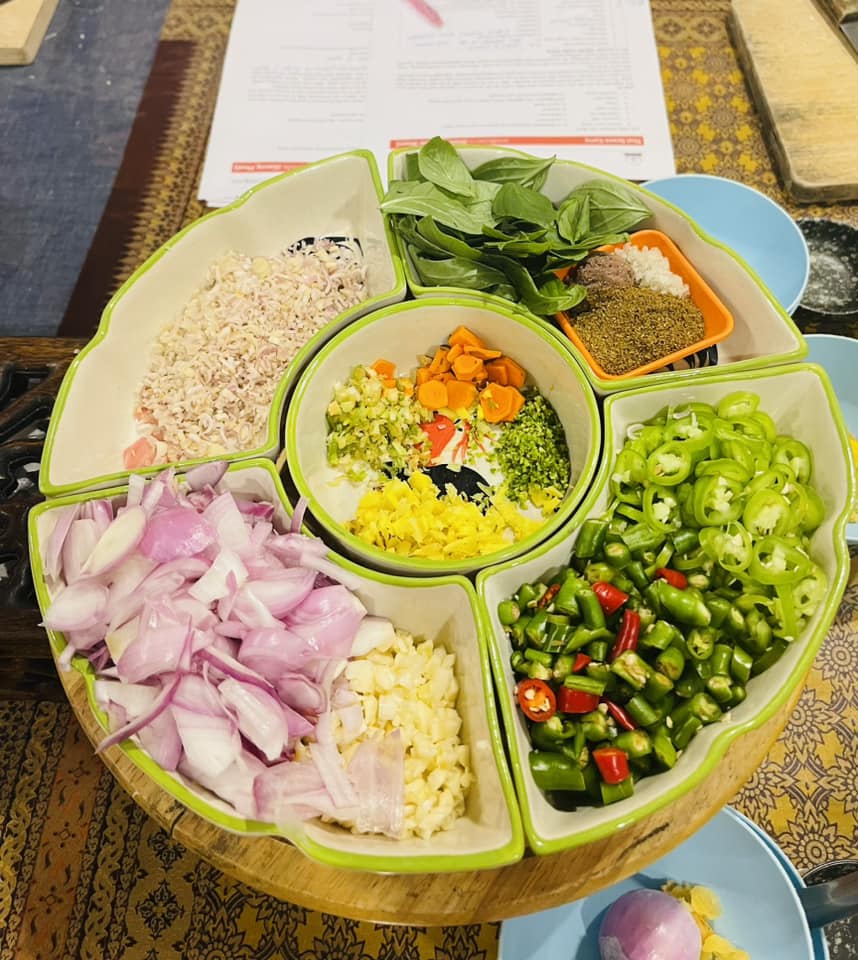
Back at the cooking school, you’ll have your own workstation with all ingredients pre-measured and ready. This isn’t one of those demonstrations where you watch someone else cook and then eat their food. You’re doing the actual cooking yourself, from chopping to stirring to plating.
Typical class schedule:
- Welcome drinks and introductions (15-20 minutes)
- Market tour and ingredient shopping (45-60 minutes for morning classes)
- Cooking demonstration and explanation (20-30 minutes)
- Hands-on cooking time (90-120 minutes)
- Enjoying your meal (30-45 minutes)
- Recipe booklet and certificates
The instructors are usually a mix of professional chefs and experienced home cooks who genuinely love sharing their culture. They’ll adjust their teaching style to your skill level, laugh with you when things don’t go perfectly, and share family cooking secrets you won’t find in any guidebook.
Top Cooking Schools Worth Your Time
After reading countless reviews and talking to friends who’ve taken these classes, a few names keep popping up. Let me break down what makes each one special, because honestly, you can’t really go wrong with any of them.
Phuket Thai Cooking Academy
This one’s the crowd favorite for good reason. The detailed review at Phuket 101 breaks down everything from class structures to menu options. What I love about them is the flexibility. You pick the four dishes you want to learn, which means if you’re obsessed with mastering the perfect green curry, you can focus on that instead of being forced to make something you’ll never cook again.
They offer free hotel pickup, which is clutch when you’re navigating a new city. The classes are small, the kitchen is gorgeous, and you walk away with a recipe booklet that actually makes sense when you get home.
Blue Elephant
If you want something a bit more upscale, Blue Elephant brings that elegant vibe. Their classes feel special without being stuffy, and the quality of ingredients is noticeably premium. It’s a bit pricier, but sometimes you want that treat-yourself experience, you know?
The Boathouse Phuket
For the ultimate splurge, The Boathouse cooking class combines culinary education with resort luxury. You’re learning from their executive chef in a beachfront setting, complete with welcome drinks and a four-course meal preparation. It’s the kind of experience that feels like a special occasion, perfect if you’re celebrating something or just feeling fancy.
Making the Most of Your Investment
Let’s talk money, because that’s what we do here. Cooking classes in Phuket typically range from about $40 to $200, depending on the school, class type, and what’s included. That might seem like a lot when you’re watching your budget, but consider what you’re actually getting.
Value breakdown:
- A full meal you’d pay $20-30 for at a restaurant anyway
- 3-4 hours of entertainment and education
- Skills that’ll save you money on takeout forever
- A recipe booklet worth its weight in gold
- Market tour insights for better grocery shopping
- Cultural experience money can’t usually buy
Think of it as an investment in your cooking repertoire. Once you know how to make a proper Thai curry from scratch, you’re never paying $15 for mediocre takeout again. Over time, this skill pays for itself in delicious homemade meals that cost a fraction of restaurant prices.
Much like the smart financial strategies we discuss in our budget-conscious lifestyle tips, this is about getting maximum value from your experiences. You’re not just buying a class; you’re buying a skill that keeps giving.
What You’ll Actually Cook
The beauty of most cooking classes in Phuket is the menu flexibility. You’re not stuck making the same tourist-focused dishes as everyone else. Here’s what’s typically available, though offerings vary by school:
Popular curry dishes:
- Green curry with chicken or vegetables
- Massaman curry with potatoes and peanuts
- Panang curry with beef or tofu
- Red curry with bamboo shoots
Stir-fries and noodles:
- Pad Thai with shrimp or vegetables
- Pad See Ew (wide rice noodles with soy sauce)
- Basil chicken stir-fry (Pad Krapow)
- Cashew chicken with vegetables
Soups and appetizers:
- Tom Yum soup (spicy and sour)
- Tom Kha Gai (coconut chicken soup)
- Spring rolls (fresh or fried)
- Chicken satay with peanut sauce
Desserts:
- Mango sticky rice
- Thai banana in coconut milk
- Coconut ice cream
I always recommend choosing at least one curry, one stir-fry, and one soup. This gives you a well-rounded skill set and ensures you can throw together a complete Thai dinner party when you get home.
Practical Tips for Your Cooking Class Experience
Be prepared for fun, learning, and if your instructor is as good as mine was, a lot of laughter.
Okay, let’s get into the nitty-gritty details that’ll make your experience smooth and enjoyable. These are the things I wish someone had told me before my first class.
What to Wear
Forget the cute sundress. You’ll be working with hot oil, standing near flames, and possibly getting splattered with curry paste. Wear comfortable, casual clothes you don’t mind getting a little messy. Closed-toe shoes are smart, and tie your hair back if it’s long.
The cooking schools provide aprons, but they’re not magic shields against turmeric stains. That stuff is relentless.
Booking Considerations
Classes fill up fast, especially during high season (November through April). Book at least a week in advance, two weeks if you’re picky about dates and times. Morning classes are popular because they include market tours, but afternoon sessions work great if you’re not an early riser.
Most schools offer both group and private classes. Group classes are more budget-friendly and fun if you enjoy meeting other travelers. Private classes cost more but give you undivided attention and schedule flexibility.
Dietary Restrictions
Thai cooking is surprisingly adaptable to different dietary needs. Vegetarian and vegan versions of most dishes work beautifully, and many schools offer gluten-free options. Just communicate your needs when booking.
If you have serious allergies, especially to peanuts or shellfish, mention this upfront. Thai cuisine uses both frequently, and while substitutions are possible, the school needs advance notice.
Taking Your Skills Home
Here’s where the magic really happens. You’ve had this amazing experience, eaten delicious food, taken a million photos, and now you’re back home staring at your kitchen wondering if you can actually recreate any of it.
The answer is yes, but with a few smart strategies. Those exotic ingredients you used in class? Most are available at Asian grocery stores, and some are even showing up in regular supermarkets now. Galangal might still be tricky, but ginger makes a decent substitute. Kaffir lime leaves can be frozen and last for months.
Start with the simplest dish you learned. Don’t try to make a full five-course Thai feast on your first attempt. Make one curry, get comfortable with the process, then build from there. The recipe booklet most schools provide becomes your new best friend.
Building your Thai pantry:
- Fish sauce (the foundation of Thai cooking)
- Oyster sauce (vegetarian versions exist)
- Coconut milk (canned works fine)
- Thai curry pastes (buy good quality or make your own)
- Rice noodles in various widths
- Jasmine rice
- Thai basil (grow it if possible)
Creating the meaningful meals we talk about on Seasonably Fare doesn’t require fancy restaurants or expensive ingredients. It’s about bringing intention and joy to your cooking, whether that’s a perfectly executed pad Thai on a Tuesday night or a full Thai dinner party for friends.
Beyond the Kitchen: Cultural Connections
What surprised me most about taking cooking classes in Phuket wasn’t the cooking itself, but the conversations that happened around it. You learn about Thai family traditions, the significance of certain ingredients in Buddhist culture, regional variations in recipes, and how cooking brings communities together.
Your instructor might share stories about learning to cook from their grandmother, or explain why certain dishes are served at specific festivals. These cultural insights transform cooking from following a recipe into understanding a way of life.
It’s the kind of travel experience that stays with you, influencing how you think about food, hospitality, and connection. Similar to the intentional living principles we embrace at Seasonably Fare, it’s about finding depth and meaning in everyday activities.
Combining Classes with Your Phuket Itinerary
Most cooking classes take half a day, making them easy to fit into your vacation schedule. Morning classes typically run from 9 AM to 1 PM, while afternoon sessions go from 2 PM to 6 PM.
I recommend scheduling your class early in your trip. This gives you time to visit markets independently afterward, armed with new knowledge about ingredients. You might even cook another Thai meal in your hotel or vacation rental using what you learned.
Pair your cooking class with complementary activities. A morning class followed by a beach afternoon works perfectly. Or do an afternoon class after spending your morning exploring Old Phuket Town.
Sample day itineraries:
| Time | Activity | Notes |
|---|---|---|
| 9:00 AM | Cooking class begins | Includes market tour |
| 1:00 PM | Class ends, light lunch eaten | You cooked it yourself! |
| 2:00 PM | Head to beach or pool | Digest and relax |
| 6:00 PM | Sunset dinner | You’ll appreciate restaurant food more |
Or the afternoon version:
| Time | Activity | Notes |
|---|---|---|
| 8:00 AM | Beach or hotel breakfast | Fuel up for the day |
| 10:00 AM | Explore Old Phuket Town | Markets, temples, architecture |
| 2:00 PM | Afternoon cooking class | No market tour |
| 6:00 PM | Enjoy your cooked dinner | Pride and full stomach |
Special Considerations for Solo Travelers
Taking a cooking class solo is actually fantastic. You’re guaranteed to meet other people, the activity gives you natural conversation starters, and you’re too busy cooking to feel awkward about being alone.
Many solo travelers specifically choose cooking classes as their social activity in Phuket. The shared experience of learning something new, laughing at mistakes, and enjoying a meal together creates instant camaraderie.
If you’re navigating solo travel later in life (like many of our Seasonably Fare readers exploring independence after divorce or major life changes), cooking classes offer a safe, structured way to meet people without the pressure of traditional social situations. No awkward small talk required when you’re focused on perfecting your spring roll technique.
The Souvenir That Keeps Giving
You know what’s better than another elephant statue or beaded bracelet gathering dust on a shelf? A skill that becomes part of your regular life. Every time you make Thai curry at home, you’re transported back to that Phuket kitchen, the smell of lemongrass, the patient instructor guiding your knife work, the satisfaction of creating something delicious.
This is the kind of souvenir that actually enriches your daily life. It saves you money on takeout, impresses dinner guests, expands your culinary confidence, and gives you stories to share. It’s experiential wealth, which is really what travel should be about anyway.
Plus, there’s something deeply satisfying about mastering a cuisine from another culture. It’s a form of respect, appreciation, and connection that goes beyond being a tourist consuming experiences. You’re actually learning and growing.
Making It Happen in 2026
If you’re planning a Phuket trip this year, prioritize booking your cooking class early. The Thai Kitchen Class and Thai Cooking Class Phuket by Tony both offer authentic experiences with guided market tours and tropical garden visits, giving you that full cultural immersion alongside your culinary education.
Don’t overthink which class to choose. Read a few reviews, check what’s included, consider your budget, and book something. The difference between schools is less important than actually committing to the experience.
Remember, this isn’t about perfection. You’re not training to become a professional Thai chef (unless you are, in which case, amazing). You’re learning enough to bring these flavors home, to share them with people you love, and to carry a piece of Thailand with you long after your trip ends.
The investment in cooking classes in Phuket pays dividends in skills, memories, and delicious meals for years to come. It’s the kind of mindful spending that aligns perfectly with building a beautiful, rich life without breaking the bank. You’re not just buying a class; you’re buying capability, confidence, and countless future meals that’ll remind you of sunshine, markets, and the day you learned to make magic in a Thai kitchen.
Taking cooking classes in Phuket transforms your trip from a standard beach vacation into a skill-building adventure that keeps rewarding you long after you’ve unpacked your suitcase. Whether you’re seeking meaningful travel experiences, practical skills for your everyday life, or just want to finally master that curry you always order at your local Thai restaurant, these classes deliver on every level. At Seasonably Fare, we’re all about building beautiful, intentional lives through experiences that matter, and learning to cook authentic Thai food in the place where it originated definitely qualifies. Ready to plan your next adventure that feeds both your soul and your culinary repertoire?