There’s something utterly magical about learning to cook in the place where the recipes were born. Athens isn’t just ancient ruins and epic sunsets (though those don’t hurt). It’s a city where food is woven into every conversation, every celebration, every Tuesday afternoon. Taking cooking classes in Athens means stepping into kitchens where grandmothers have been rolling phyllo for decades, wandering through markets that smell like fresh oregano and ripe tomatoes, and learning techniques that’ve been passed down through so many generations nobody can quite remember where they started. Whether you’re planning your dream Mediterranean getaway or just fantasizing about it while meal planning on a Wednesday night, understanding what these classes offer can help you create those memorable experiences that make life feel richer, even on a budget.
Why Athens Makes the Perfect Culinary Classroom
Athens offers something most cooking classes back home simply can’t replicate: authenticity that you can taste. You’re not learning Greek cooking from someone who took a weekend workshop. You’re learning from locals who grew up watching their mothers make spanakopita every Sunday, who know exactly which vendor at the market has the best feta, who can tell you stories about every dish that make you understand Greek culture in ways no guidebook ever could.
The city itself becomes part of your education. Morning light filtering through market stalls piled high with olives in twelve different varieties. The sound of vendors calling out prices in Greek while tourists fumble with euros. The way your instructor casually mentions that her grandmother’s village makes dolmades slightly differently, and would you like to try both versions?
Key benefits of learning to cook in Athens:
- Access to ingredients at peak freshness and quality
- Cultural context that deepens your understanding of each dish
- Techniques taught by people who’ve made these recipes thousands of times
- Stories and traditions that transform recipes into living history
- Market visits that teach you how to shop like a local
Most cooking classes in Athens include market tours, which honestly might be worth the price of admission alone. You’ll learn which herbs to look for, how to judge olive oil quality, what makes Greek honey different, and why the tomatoes here taste like actual tomatoes instead of crunchy water.
Different Types of Cooking Classes Available
Not all cooking classes are created equal, and Athens offers options for every style, budget, and dietary preference. Some classes focus on traditional family recipes, while others adapt classics for modern dietary needs. You’ll find everything from intimate private sessions to lively group experiences where you might make friends with fellow food lovers from around the world.
Traditional Greek Cooking Classes
These are your classic experiences focusing on the greatest hits of Greek cuisine. Think moussaka, tzatziki, Greek salad (which is nothing like what most restaurants serve back home), souvlaki, and those flaky phyllo creations that seem impossible until someone shows you the trick.
The Greek Kitchen specializes in these foundational dishes, teaching you techniques that work for home cooks rather than requiring professional equipment. Their classes typically run three to four hours and include a market visit where you’ll select ingredients alongside your instructor.
| Class Type | Duration | What You’ll Learn | Best For |
|---|---|---|---|
| Traditional Family Recipes | 3-4 hours | Classic dishes, phyllo techniques, herb combinations | First-time visitors, traditional food lovers |
| Market-to-Table | 4-5 hours | Ingredient selection, seasonal cooking, full meal preparation | Adventurous eaters, market enthusiasts |
| Private Custom Classes | 3-5 hours | Your choice of dishes, personalized instruction | Special occasions, dietary restrictions |
| Vegan Greek Cooking | 3-4 hours | Plant-based versions of classics, creative substitutions | Vegetarians, vegans, health-conscious travelers |
Plant-Based and Dietary-Specific Options
Greek cuisine actually lends itself beautifully to vegetarian and vegan adaptations, thanks to the Mediterranean diet’s emphasis on vegetables, legumes, and olive oil. SOYBIRD offers cooking classes that reimagine traditional dishes without animal products, teaching you how to create rich flavors using plants, nuts, and creative techniques.
These classes are perfect if you’re following an anti-inflammatory approach to eating or simply want to incorporate more plant-based meals into your routine without sacrificing flavor. The skills translate beautifully to home cooking, especially when you’re trying to create satisfying meals that support wellness goals without feeling restrictive.
Hands-On Rooftop Experiences
Some cooking classes in Athens take the experience up a level (literally) by offering rooftop settings with Acropolis views. Picture this: you’ve just spent three hours learning to make pita from scratch, your hands still dusted with flour, and now you’re sitting down to eat what you created while the Parthenon glows in the evening light.
These experiences cost more, but they combine culinary education with those pinch-me moments that make travel unforgettable. Plus, the photos are absolutely stunning, which shouldn’t be your only consideration but let’s be honest, it doesn’t hurt.

What You’ll Actually Learn (And Use at Home)
The best cooking classes in Athens teach you more than just recipes. They teach you a way of thinking about food that emphasizes seasonality, quality ingredients, and simplicity over complexity. You’ll discover that Greek cooking isn’t about elaborate techniques or hard-to-find ingredients. It’s about respecting good olive oil, knowing when to use lemon, and understanding that sometimes the best dishes have only five components.
Practical Skills That Transfer
You’ll learn knife skills that make vegetable prep faster and safer. You’ll understand how to balance acidity and richness. You’ll discover why Greek cooks always have dried oregano on hand but would never dream of using fresh (it’s too mild, doesn’t hold up to olive oil and lemon).
Techniques you’ll master:
- Working with phyllo dough without it shattering into a thousand pieces
- Making tzatziki that actually tastes like the Greek version (hint: it’s about the cucumber prep)
- Properly seasoning dishes with the holy trinity of Greek cooking: lemon, olive oil, and oregano
- Creating depth of flavor without using cream or butter
- Judging olive oil quality by taste and aroma
Many participants say that the market visits are where the real education happens. You’ll learn to identify fresh fish, choose the best vegetables, understand olive varieties, and shop with confidence. These skills matter whether you’re cooking in Athens or at your local farmers market back home.
Planning Your Cooking Class Experience on a Budget
Here’s where we get practical, because cooking classes in Athens range from surprisingly affordable to genuinely splurge-worthy. You can find group classes starting around 70-90 euros per person, while private experiences or those with premium settings can run 150-200 euros or more.
The good news? Even the pricier classes often include everything: market tour, all ingredients, wine, the meal you prepare, recipes to take home, and several hours of instruction. When you break it down, you’re getting lunch, entertainment, education, and an experience all rolled into one. That’s not cheap, but it’s not outrageous either when you consider what you’re receiving.
Making It Work for Your Budget
Money-saving strategies:
- Book group classes rather than private sessions
- Look for morning classes, which sometimes cost less than evening ones
- Skip the premium rooftop venues if views aren’t your priority
- Check if your class includes wine or if you should BYOB
- Consider classes slightly outside peak tourist season (May and October are gorgeous)
Think of a cooking class as replacing a nice dinner out plus a cultural activity. Suddenly that 100-euro price tag feels more reasonable, especially when you’re learning skills you’ll use for years. Just like making thoughtful choices about your wellness investments, travel experiences should align with your values and bring lasting value, not just momentary enjoyment.
Booking the Right Class for Your Style
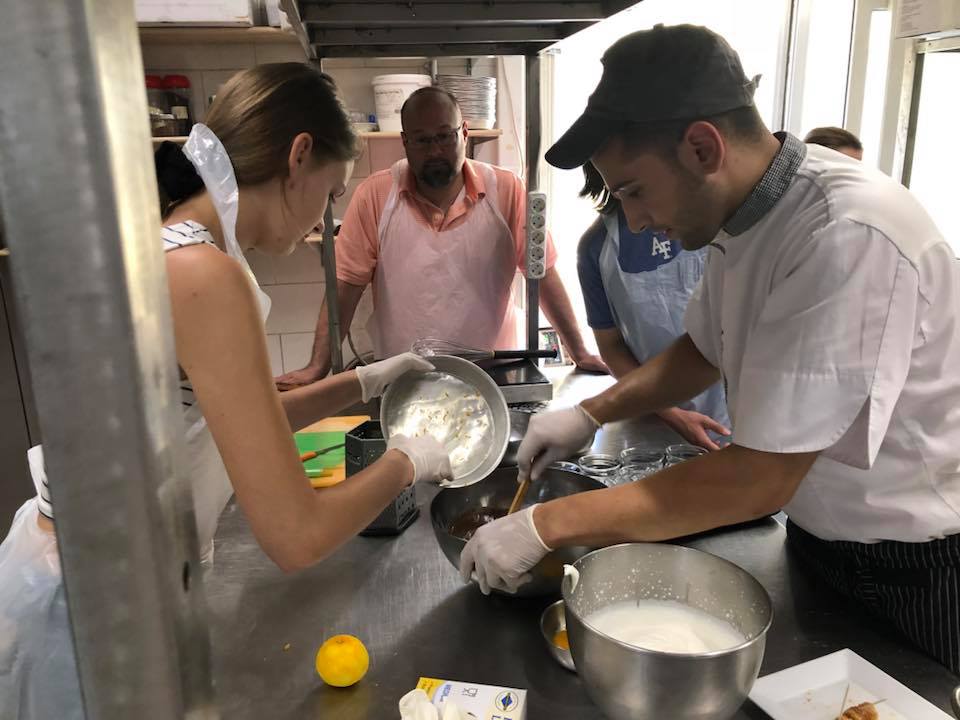
Different providers cater to different vibes, and choosing the right fit matters more than finding the cheapest option. Some classes feel like cooking with a Greek aunt who keeps trying to feed you more. Others are more structured and educational. Neither is better, they’re just different.
Athens Cooking Classes offers that market-to-table adventure where you start at dawn, selecting produce alongside locals doing their daily shopping. It’s active, immersive, and perfect if you love the full sensory experience of food culture.
For a more customizable approach, their Make It Your Way private classes let you choose exactly which dishes you want to learn. This works beautifully if you have dietary restrictions, specific recipes you’ve been dying to master, or you’re planning a special celebration.
Questions to Ask Before Booking
- How many participants will be in the class?
- Is hands-on participation required or can you observe?
- What’s included in the price (ingredients, wine, recipes, meal)?
- Do they accommodate dietary restrictions?
- What’s the cancellation policy?
- Will you receive recipes in a format you can actually use?
- Is the location accessible by public transportation?
The Cultural Context That Makes Greek Food Special
Understanding why Greek food tastes the way it does requires knowing a bit about Greek culture itself. Food here isn’t fuel, it’s the centerpiece of social life. As Le Monde’s exploration of souvlaki’s cultural significance reveals, even humble street food serves as a unifying force across generations and social classes.
Greeks eat late, linger long, and prioritize sharing. Meals aren’t rushed affairs squeezed between obligations. They’re events where conversation matters as much as the food, where nobody checks their phone because the people at the table are infinitely more interesting than whatever’s happening online.
This philosophy influences how cooking classes in Athens are structured. There’s always time to sit down together and enjoy what you’ve made. The meal isn’t an afterthought, it’s the whole point. You’ll notice instructors taste constantly, adjust seasonings, and encourage you to do the same. Cooking becomes a sensory experience rather than following a recipe by rote.
Seasonal and Local Ingredients
Greek cooking follows the seasons religiously. Summer means tomatoes, eggplant, and zucchini. Winter brings up hearty bean soups and braised greens. Spring celebrates artichokes and fresh peas. Fall welcomes grape leaves and the new olive oil harvest.
This seasonal approach isn’t about being trendy or sustainable (though it’s both). It’s practical wisdom developed over centuries. Tomatoes taste extraordinary in August because that’s when they should be eaten. Trying to make a proper Greek salad in February is fighting against nature, and nature always wins.
| Season | Star Ingredients | Classic Dishes to Learn |
|---|---|---|
| Spring (March-May) | Artichokes, peas, fresh herbs, lamb | Artichoke stew, Easter bread, herb pies |
| Summer (June-August) | Tomatoes, eggplant, zucchini, melons | Greek salad, moussaka, stuffed vegetables |
| Fall (September-November) | Grape leaves, olives, pomegranates | Dolmades, olive oil cake, roasted vegetables |
| Winter (December-February) | Greens, beans, citrus, root vegetables | Fasolada, braised greens, lemon soup |
Beyond the Kitchen: What You’ll Take Home
The tangible souvenirs are lovely. You’ll get recipes, probably some technique demonstrations on your phone’s camera, maybe a small jar of Greek spices. But the real takeaways are less concrete and more valuable.
You’ll understand Mediterranean cooking principles that apply to countless cuisines. You’ll have confidence working with ingredients you might have avoided before. You’ll know how to make a weeknight dinner feel special without complicated techniques or expensive ingredients.
Many people report that taking cooking classes in Athens changed how they shop and cook at home. They seek out better olive oil. They visit farmers markets more regularly. They stop overthinking recipes and start trusting their palates. They embrace simplicity instead of always reaching for complexity.
Incorporating Greek Techniques Into Everyday Cooking
The beauty of Greek cooking is its adaptability. You don’t need imported ingredients or special equipment. You need good olive oil (worth the investment), fresh lemons, dried oregano from a Greek market or quality online source, and a willingness to taste as you go.
Simple ways to bring Greek flavors home:
- Start using olive oil more generously (it’s the foundation, not an accent)
- Keep dried oregano and fresh lemon on hand always
- Learn to make basic tzatziki for everything from vegetables to grilled chicken
- Master a simple Greek salad with proper proportions
- Embrace room-temperature dishes that actually taste better after sitting
These aren’t complicated changes, but they shift your cooking toward fresher, brighter, more satisfying flavors. They align beautifully with anti-inflammatory eating patterns and Mediterranean diet principles without requiring you to overhaul your entire kitchen or food budget.
Practical Logistics for Planning Your Class
Most cooking classes in Athens operate year-round, though summer books up fastest. Spring and fall offer gorgeous weather, smaller crowds, and often better market selection. Winter classes have their own charm, focusing on heartier dishes and the cozier side of Greek cooking.
Book at least a few weeks in advance during high season (June through September). For popular classes or private sessions, a month or more is safer. Many providers offer online booking with instant confirmation, making planning straightforward even if you’re not fluent in Greek.
What to Wear and Bring
Comfort matters more than style here. You’ll be standing, possibly walking through markets, definitely getting flour or olive oil on yourself. Wear closed-toe shoes with good support, comfortable pants or a casual dress, and leave your nice jewelry at the hotel.
Most classes provide aprons, but bringing a hair tie if you have long hair is smart. A small notebook fits in most pockets and gives you space to jot down tips that might not make it into the formal recipe handouts. Your phone camera is perfect for capturing technique demonstrations you’ll want to reference later.
Making Cooking Classes Part of Your Athens Experience
Think of cooking classes as the perfect complement to traditional sightseeing, not a replacement. They ground you in local life in ways that ancient ruins, however magnificent, simply can’t. You’ll talk with Athenians, understand daily rhythms, and gain insights that transform the rest of your visit.
Schedule your class early in your trip if possible. The market knowledge, neighborhood recommendations, and restaurant tips you’ll pick up from your instructor and fellow participants will enhance everything that follows. Plus, you’ll have context for the food you eat at tavernas, understanding what went into each dish.
The Classic Cooking Class at The Greek Kitchen offers that comprehensive introduction covering market visits and essential techniques. It’s ideal if you want a solid foundation in Greek cooking without committing to a full day.
Many visitors build entire travel days around their cooking class, treating it as the main event rather than trying to squeeze it between the Acropolis and the National Archaeological Museum. This approach lets you savor the experience without rushing, stay for extra wine and conversation, and truly absorb what you’re learning.
Cooking classes in Athens offer so much more than recipes. They’re gateways to understanding a culture that values pleasure, community, and the simple perfection of seasonal ingredients prepared with care. Whether you’re dreaming of your next adventure or looking for ways to bring more intention and joy into everyday meals, these experiences remind us that the most memorable moments often happen around tables, with good food and even better company. At Seasonably Fare, we believe in creating beautiful, meaningful experiences without breaking the bank, and learning to cook in the city where these recipes were born absolutely qualifies. Your stylish, delicious, well-lived life is waiting.