Imagine your life bathed in blush pink sunlight, laughter echoing off marble countertops, and your confidence shimmering like gold. What if you could step away from every drama, every emotional drain, and instead fill your days with genuine joy? In 2026, understanding the types of toxic relationships is the secret key to this empowered, beautiful way of living.
This guide is here to help you spot the seven most common types of toxic relationships, protect your mental and emotional wellness, and reclaim your sparkle. Expect real-world stories, actionable advice, and a cozy sisterhood vibe. Ready to clear the clutter and step into your most radiant self? Keep reading for practical tips and a blush-hued roadmap to freedom.
The Modern Landscape of Toxic Relationships in 2026
Evolving Relationship Dynamics
Step into 2026, where relationships shimmer across digital and real-life spaces. Technology, remote work, and shifting social norms have painted new patterns in how we connect. Our phones are always close, blurring boundaries between work, love, and friendship.
This hyper-connectivity brings fresh types of toxic relationships to the surface. Digital toxicity glows on our screens: ghosting, breadcrumbing, and subtle manipulation in texts and DMs. According to a 2025 survey, over 60% of women encountered at least one toxic relationship dynamic online last year.
As emotional health and boundaries gain more attention, we’re learning to spot these patterns—like vintage gems hiding in plain sight. Recognizing these digital behaviors is the first step to protecting your peace.
Why Recognizing Toxic Relationships Matters
Why does spotting types of toxic relationships matter so much right now? The costs are steep: emotional, mental, and even financial wellness can wilt in these environments. When a relationship drains you, your self-esteem, productivity, and joy fade like gold leaf under harsh light.
There’s a clear link between toxic relationships and burnout, anxiety, and physical health struggles. Many women in our circle have shared stories—leaving toxic ties led them to rediscover laughter, creativity, and cozy self-worth.
Empowerment blooms when you recognize toxic patterns early. It’s your invitation to step into a brighter, more beautiful chapter.
Key Signs of Toxicity to Watch For
How do you know if you’re tangled in types of toxic relationships? Watch for red flags: control, disrespect, lack of reciprocity, and constant criticism. Sometimes, the cues are more delicate—a persistent sense of anxiety, feeling drained after every interaction, or losing your sense of self.
Trust your intuition. Like a well-loved vintage compass, your inner voice guides you toward safety and joy. If you want a deeper dive into warning signals, explore these signs of a toxic partner for even more clarity.
Recognizing these signs is a shimmering act of self-love. It’s the first step toward freedom and the cozy luxury you deserve.
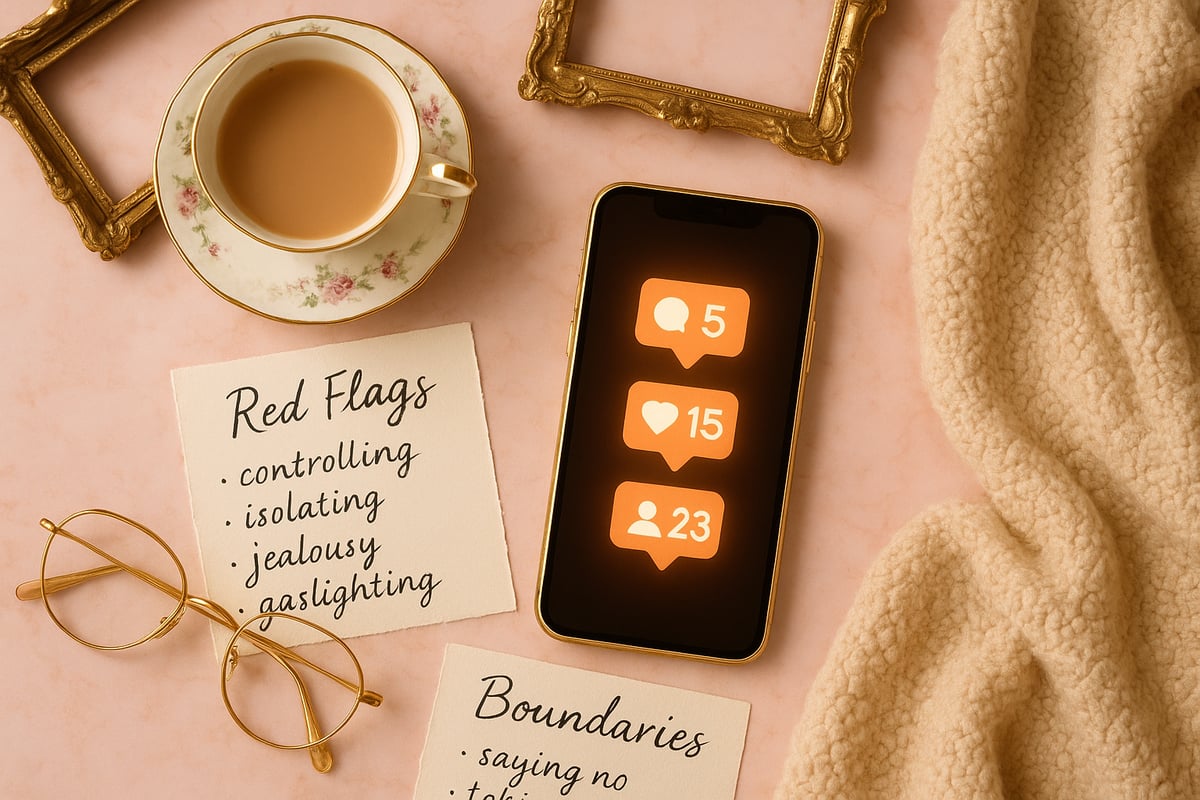
7 Types Of Toxic Relationships To Avoid In 2026
Step into the blush and gold glow of your most empowered year yet. Knowing the types of toxic relationships that quietly drain your confidence is the first sparkling step to a life wrapped in vintage velvet and joy. In 2026, digital life, shifting values, and bolder boundaries mean toxicity can sneak in wearing many costumes. Below, we’ll unveil the seven most common types of toxic relationships to watch for, so you can protect your energy, embrace cozy luxury, and reclaim your radiant self.
Curious about the telltale warning signs? You’ll find even more insight in this guide to toxic signs in a relationship as you read on.

1. The Controlling Partner
The first of the types of toxic relationships to avoid in 2026 is the controlling partner. This person wants to dictate everything, from your friendships to your wardrobe. Their tactics feel like a velvet rope—soft on the outside, but stifling underneath.
Common tactics:
- Jealousy over your friends or family
- Isolating you from loved ones
- Monitoring your phone, social media, or even spending
- Criticizing your appearance or choices
Imagine someone who tracks your every move, picking apart your style or questioning your dinner plans. Over time, these types of toxic relationships chip away at your autonomy and confidence, leaving you emotionally exhausted. In a 2025 study, 48% of women reported experiencing controlling behaviors.
Remember, control is not love—it’s a gilded cage. To break free, set clear boundaries, seek support, and put your needs front and center. You deserve to be the curator of your own beautiful life.
2. The Narcissist
Next on the list of types of toxic relationships is the narcissist. This is the friend or partner who turns every conversation into a spotlight on themselves, leaving you in the shadows.
Traits to watch for:
- Grandiosity and arrogance
- Constant need for praise
- Lack of empathy for your feelings
- Manipulative behavior, gaslighting
Picture someone who dismisses your feelings, makes everything about their needs, and leaves you questioning your reality. These types of toxic relationships create a dizzying emotional rollercoaster. In 2025, online communities saw a 30% rise in awareness of narcissistic abuse.
You are not too sensitive—they are simply too self-absorbed. The best way forward is to limit contact, reinforce your boundaries, and seek therapy if needed. Your voice and feelings matter in every room you enter.
3. The Energy Vampire
Among the types of toxic relationships, the energy vampire might be the hardest to spot at first. This is the friend or partner who drains your emotional reserves with endless negativity and neediness.
Behaviors include:
- Constant complaining
- Rarely reciprocating support
- Guilt-tripping or playing the victim
Think of a brunch date that turns into a therapy session, but you never get a turn on the velvet sofa. These types of toxic relationships leave you feeling depleted, resentful, and unmotivated. In 2025, 55% of women cited “energy drain” as a top reason for ending friendships.
Protect your sparkle. Limit exposure, practice self-care, and gently redirect conversations. Your energy is precious—save it for people who help you shine.
4. The Manipulator
The manipulator is a master of disguise among the types of toxic relationships. They use deceit, guilt, and passive-aggression to get what they want, often at your expense.
Watch out for:
- Gaslighting and twisting facts
- Playing the victim in every conflict
- Exploiting your kindness or generosity
You might know someone who always manages to make you feel at fault, even when you’ve done nothing wrong. These types of toxic relationships breed confusion and self-doubt, eroding your trust in yourself. In 2025, 40% of surveyed relationships involved manipulative dynamics.
Call out the behavior, stand firm in your truth, and get a second opinion from someone you trust. True friends don’t need to pull strings to keep your love.
5. The Constant Critic
The constant critic is one of the most insidious types of toxic relationships. This person rarely offers praise but is quick to spotlight your flaws.
Behaviors to notice:
- Nitpicking your appearance or choices
- Offering harsh, unhelpful feedback
- Showing little empathy for your dreams
Maybe it’s a family member who always finds something wrong—your outfit, your plans, your ambitions. These types of toxic relationships can shatter self-esteem and create anxiety, making you want to hide your true self. In a 2025 survey, 50% of women said criticism from loved ones affected their confidence.
Remember, constructive feedback builds you up. Limit time with critics, affirm your worth, and seek out supportive voices that help you grow.
6. The Overly Dependent Partner
The overly dependent partner is another of the types of toxic relationships to be wary of. This person relies on you for validation, support, and even their sense of self.
Traits include:
- Codependency and fear of being alone
- Inability to make decisions independently
- Overreacting when you assert your own needs
Imagine a partner who panics if you make plans without them or who can’t celebrate your independence. These types of toxic relationships stall your personal growth and create emotional burnout. In 2025, searches about codependency rose 25% on wellness forums.
Healthy love allows space for both partners to bloom. Encourage independence, set gentle boundaries, and invest in your own growth.
7. The One-Sided Friendship
The final entry on our list of types of toxic relationships is the one-sided friendship. Here, all the giving is on your end, while the other person just takes.
Signs you’re in this dynamic:
- Unequal effort in planning or support
- Feeling used or ignored
- Always being the listener, never the listened-to
If you’re the friend everyone calls for advice but never checks in on, it’s time to rethink. These types of toxic relationships leave you depleted and doubting your worth. Data from 2025 shows 63% of women ended at least one one-sided friendship.
True friendship is a two-way street paved in gold and kindness. Address the imbalance, step back if needed, and seek out those who pour back into your cup.
How to Break Free and Reclaim Your Power
Imagine this: you’re sipping rose tea in a blush velvet chair, sunlight pouring through gold-rimmed windows, and the weight of toxic ties finally lifting from your shoulders. Breaking free from the types of toxic relationships you’ve encountered is the first step to reclaiming your power and rediscovering your most radiant self.
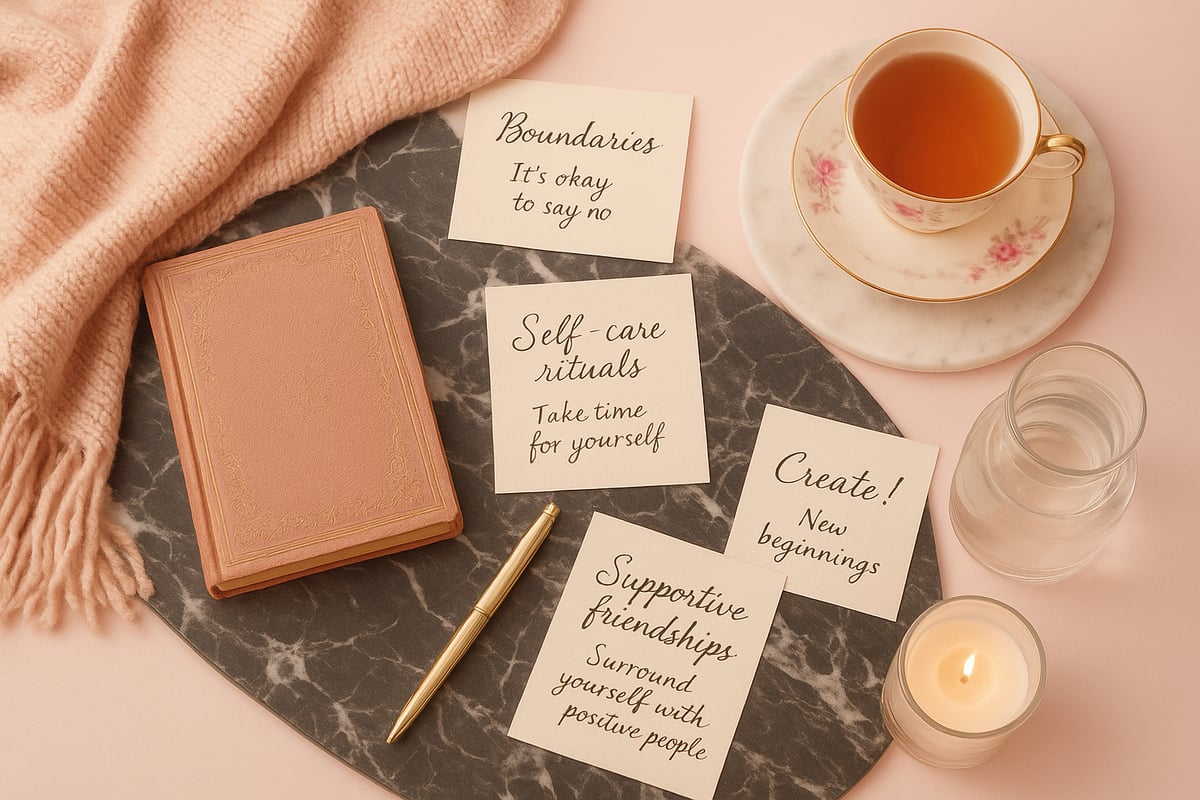
Setting Boundaries with Grace
Think of boundaries as gilded frames around your most cherished art—your life. Setting boundaries isn’t cold or harsh; it’s the ultimate act of self-love. In the world of types of toxic relationships, clear boundaries are your protective velvet ropes.
Try these scripts for hard talks:
- “I need time for myself tonight.”
- “That comment didn’t feel good to me.”
- “No, thank you—I’m not available for that.”
It’s okay to say no without guilt or apology. If you need more ideas, check out the Signs of a bad relationship for real-life examples of red flags and boundary-setting in action. Remember, 70% of women who set boundaries report improved mental health.
Rebuilding Self-Worth After Toxic Relationships
Once you leave types of toxic relationships behind, it’s time to nurture your confidence like a vintage rose garden. Start with self-care rituals—journaling in a marble notebook, cozying up with a favorite book, or filling your space with scents that lift your mood.
Try affirmations:
- “I am worthy of love and kindness.”
- “My sparkle is my superpower.”
Celebrate every small win. Maybe you hosted brunch with friends or picked out a fabulous thrifted find. Each step away from toxicity is a golden victory for your self-worth.
Cultivating Healthy, Empowering Connections
The opposite of types of toxic relationships is a circle of friends and partners who celebrate your shine. Healthy relationships feel like a cozy, well-lit room—full of laughter, mutual respect, and support.
Look for:
- Shared joy in your wins
- Respect for your boundaries
- Encouragement to grow
Surround yourself with a community that feels like a vintage treasure chest—full of kindness, wisdom, and sparkle. Women in positive relationships report 80% higher satisfaction with life, so curate your connections with intention.
When to Seek Professional Support
Sometimes, breaking free from types of toxic relationships requires expert help. If you feel stuck or overwhelmed, it’s brave to ask for support.
Consider:
- Therapists who specialize in relationship recovery
- Empowerment coaches
- Local or online support groups
Remember, finding the right fit is like searching for the perfect vintage lamp—it takes time, but the right glow changes everything. Many women find healing and clarity through therapy, lighting the path to their next beautiful chapter.
Frequently Asked Questions About Toxic Relationships
Curious about the types of toxic relationships and how to spot them? Here are answers to your most pressing questions, served with a sprinkle of blush and gold wisdom.
What are early warning signs of a toxic relationship?
Look for control, criticism, or feeling drained after every interaction. Your intuition is your best guide.
Can toxic relationships be fixed, or is it best to walk away?
Some can heal with effort and mutual growth, but many types of toxic relationships require distance to truly thrive again.
How do I support a friend in a toxic relationship?
Listen with empathy, offer resources, and gently encourage them to trust their inner wisdom. For friendship-specific red flags, check out the 5 signs of a bad friendship.
What’s the difference between a rough patch and true toxicity?
A rough patch is temporary and balanced. Toxicity is persistent, one-sided, and leaves you feeling small.
How do I rebuild trust in myself after leaving a toxic dynamic?
Celebrate small wins, journal your progress, and surround yourself with supportive, golden-hearted souls.
Are certain personality types more prone to toxic relationships?
Empaths and people-pleasers often attract toxic dynamics, but anyone can find themselves in these situations.
Where can I find more resources or support?
Look for women’s wellness groups, licensed therapists, or trusted online communities dedicated to healing.