Ever wondered why some connections feel more draining than dazzling? If you’ve ever sensed something’s not quite right but couldn’t name it, you’re not alone. Spotting toxic relationship behaviors is the secret sauce to protecting your sparkle, especially as we move into 2026’s wild, beautiful world.
This guide spills the blush-pink tea on 12 toxic relationship behaviors that can sneak into even the coziest, most Instagram-worthy love stories. You’ll discover how to spot them before they dim your glow and learn practical ways to protect your heart, your confidence, and your vintage-inspired joy.
Understanding Toxic Relationship Behaviors
Ever walked into a room and instantly sensed tension in the air? That’s often how toxic relationship behaviors feel—subtle, unsettling, and hard to name. Let’s unravel what makes these patterns so powerful, why they’re especially tricky in 2026, and how to spot the difference between a pesky red flag and a full-blown dealbreaker.
What Makes a Behavior “Toxic”?
Toxic relationship behaviors are patterns that chip away at trust, respect, or emotional safety. Think of those moments when a playful tease suddenly feels like a dig, or a partner’s “joke” leaves you feeling small instead of seen.
Unlike healthy conflict, where both sides can express and resolve, toxic behaviors create anxiety, drain your energy, and spark self-doubt. For example, dismissive comments (“You’re too sensitive”) sting deeper than lighthearted banter. The secret to spotting these patterns? Tune into your feelings and set boundaries that honor your worth.
If you’re ever unsure, check out these warning signs of toxic relationships for a little extra clarity and reassurance.
Why Spotting Toxicity Matters in 2026
In 2026, digital connection is everywhere—think glittering group chats, endless DMs, and blurred boundaries between public and private life. With pop culture and social media often glamorizing jealousy or drama, it’s easy for toxic relationship behaviors to sneak into our everyday lives and feel “normal.”
Empowerment is all about recognizing these subtle forms of toxicity early. Did you know 43% of women now report experiencing emotional manipulation? Spotting these patterns before they take root helps you protect your sparkle and build partnerships that feel as good as they look. Prevention is truly the new self-care.
Red Flags vs. Dealbreakers
Not every awkward moment spells disaster, but some toxic relationship behaviors are clear signs to pause—or walk away. Red flags are subtle, like the silent treatment or secret-keeping, while dealbreakers are more overt, such as gaslighting or repeated disrespect.
Here’s a quick comparison:
| Red Flags | Dealbreakers |
|---|---|
| Silent treatment | Gaslighting |
| Secret-keeping | Repeated disrespect |
| Subtle put-downs | Emotional abuse |
When in doubt, trust your intuition. If something feels off, it probably is. Address smaller red flags early, and know it’s always okay to seek support or leave when your emotional safety is at stake.
12 Toxic Relationship Behaviors to Watch Out for in 2026
Ever wondered why your glow dims around certain people, even if everything looks perfect from the outside? Sometimes, the answer hides in the details—those subtle, pretty-in-pink warning signs we often brush aside. Spotting toxic relationship behaviors isn’t just about avoiding heartbreak; it’s about preserving your sparkle, your self-worth, and your chic sense of self. Let’s slip on our vintage-inspired detective hats and unveil the 12 most common toxic relationship behaviors to watch for in 2026.
1. Emotional Manipulation
Emotional manipulation is like a velvet glove hiding iron claws. It shows up as guilt trips, silent treatment, or twisting your words until you question your reality. For example, your partner might blame you for their bad moods or say things like, “If you really loved me, you’d do this.” These toxic relationship behaviors erode your confidence and leave you walking on eggshells.
If you find yourself constantly second-guessing your actions or feeling responsible for someone else’s happiness, take note. According to studies, 1 in 3 women report emotional manipulation in their relationships. Want to learn more about identifying these patterns? Check out how to spot a toxic partner.
2. Love Bombing & Withdrawing
Picture this: roses on your doorstep one day, radio silence the next. Love bombing means showering you with affection, gifts, and grand declarations, only to pull away suddenly. These toxic relationship behaviors create a dizzying rollercoaster of highs and lows.
At first, it feels magical—soulmate talk and over-the-top gestures—but when the attention vanishes, you’re left confused and craving the next “high.” Watch for inconsistent communication or intense affection followed by distance. Trust your intuition if something feels off.
3. Constant Criticism Disguised as “Help”
Not all advice is golden. Sometimes, “I’m just trying to help you” is a velvet-wrapped dagger. Toxic relationship behaviors here look like chronic nitpicking: critiquing your appearance, your choices, or even your friends.
Real support lifts you up, not tears you down. If every conversation leaves you feeling smaller, it’s time to value your own judgment. Distinguish between genuine feedback and relentless criticism that chips away at your confidence.
4. Avoiding Conflict at All Costs
If you’re both avoiding tough talks to “keep the peace,” trouble is brewing under that glossy surface. Suppressing issues doesn’t make them disappear; it just builds resentment and emotional distance.
Toxic relationship behaviors can mean never addressing problems or sweeping disagreements under the marble rug. Remember, healthy relationships thrive on calm, respectful communication—don’t let fear of conflict silence your voice.
5. Jealousy Framed as “Caring”
Jealousy in a blush-pink bow is still jealousy. Toxic relationship behaviors often masquerade as concern: monitoring your whereabouts, questioning your friends, or needing to know every detail of your day.
When “I care about you” turns into possessiveness, your independence takes a hit. Privacy is not secrecy. Set clear boundaries and remember, real love trusts and uplifts.
6. Embarrassing You in Public or With Friends
You deserve to shine, not shrink. If your partner makes jokes at your expense, shares private details, or mocks your quirks in front of others, these are toxic relationship behaviors to watch for.
Even if everyone else laughs, your discomfort is valid. Subtle shaming—“It’s just a joke, lighten up”—can leave lasting marks. Honor your feelings and don’t be afraid to speak up.
7. Keeping Score or Holding Grudges
A relationship isn’t a marble chessboard. Toxic relationship behaviors often involve keeping score: tracking every mistake, bringing up old arguments, or “winning” rather than resolving.
For example, “Remember when you forgot our anniversary?” can become a recurring line. Healthy partnerships forgive and move forward. Address issues as they arise, then let them go.
8. Isolating You from Friends and Family
No one should dim your social sparkle. If your partner discourages your outside relationships, criticizes loved ones, or uses guilt to keep you close, these are classic toxic relationship behaviors.
Phrases like, “They don’t really care about you like I do,” can slowly chip away at your support system. Remember, connection beyond your relationship is vital for your well-being.
9. Refusing Accountability or Blaming Others
Toxic relationship behaviors often include never apologizing or always shifting blame. If you hear “It’s your fault I got angry” or face constant defensiveness, trust is eroded.
Healthy relationships grow when both partners own their mistakes. Watch for signs like stonewalling or avoiding responsibility. Accountability is golden—and necessary for trust.
10. Inconsistent Effort and Emotional Unavailability
If your partner’s affection feels like a weather forecast—sunny one day, stormy the next—you might be facing toxic relationship behaviors. Hot-and-cold attention, canceled plans, and lack of follow-through create insecurity.
Your emotional safety matters. Communicate your needs and look for consistency. You deserve steady, cozy love, not uncertainty.
11. Overstepping Boundaries and Privacy
Your privacy is as precious as vintage gold jewelry. Toxic relationship behaviors include checking your phone, reading messages, or demanding passwords.
Transparency is healthy, but intrusion is not. These actions lead to anxiety and loss of autonomy. Set clear boundaries and remind yourself: your space and privacy matter.
12. Making You Responsible for Their Happiness
You are not a therapist, and your worth isn’t measured by someone else’s mood. Toxic relationship behaviors may include expecting you to fix all their problems or saying, “I can’t be happy unless you…”
This creates an emotional labor imbalance. Support your partner, but don’t carry the full load. Celebrate your own happiness and let them take responsibility for theirs.
The Psychology Behind Toxic Behaviors
Ever wondered why toxic relationship behaviors seem to sneak into even the prettiest corners of our lives? The answer is layered, like vintage velvet drapes—soft on the outside, but hiding deeper stories within. To truly glow up your love life, let's pull back those layers and see what’s really driving these patterns.
Root Causes and Patterns
So, where do toxic relationship behaviors come from? Often, they trace back to childhood experiences or attachment styles—think of them as the original brushstrokes on your relationship canvas. Sometimes, society whispers that “drama equals passion,” making unhealthy patterns look almost glamorous.
People with unmet needs or deep insecurities may repeat these cycles, not out of malice, but habit. Emotional manipulation, for example, can quietly erode trust and safety, as highlighted in this meta-analytic review of manipulation in close relationships. The good news? With self-awareness, you can rewrite your story and create a new, golden standard for love.
How Toxic Behaviors Persist in Modern Relationships
In 2026, toxic relationship behaviors don’t just hide in the shadows—they’re spotlighted on social feeds and binge-worthy shows. Social media can normalize jealousy or possessiveness, dressing them up as “relationship goals.” Pop culture often glamorizes put-downs or “playful” drama, blurring boundaries in ways that weren’t possible a decade ago.
Digital communication brings new challenges, too. Ghosting, breadcrumbing, and constant surveillance can make emotional safety feel elusive. Remember, just because something is trending doesn’t mean it’s healthy. Spotting these patterns early is your secret weapon for keeping your relationships luxe and loving.
Steps to Break Free and Heal
Ready to reclaim your sparkle from toxic relationship behaviors? Start small: journal about your feelings, talk with trusted friends, or explore therapy. Set boundaries like you’d arrange vintage finds on a marble tray—deliberate, beautiful, and uniquely yours.
Celebrate every win, no matter how tiny. If you need more guidance, check out dealing with toxic relationships for extra support and actionable steps. Imagine your ideal, glam relationship: cozy, respectful, and filled with blush pink confidence. You deserve every bit of it.
Empowering Yourself for Healthier Relationships in 2026
Stepping into 2026 means surrounding yourself with beauty, strength, and kindness—especially in love. If you’ve faced toxic relationship behaviors, now’s the time to reclaim your sparkle. Think of this as your vintage velvet chair moment: cozy, supportive, and oh-so-glam. Let’s make self-empowerment the ultimate accessory.
Reclaiming Your Confidence and Voice
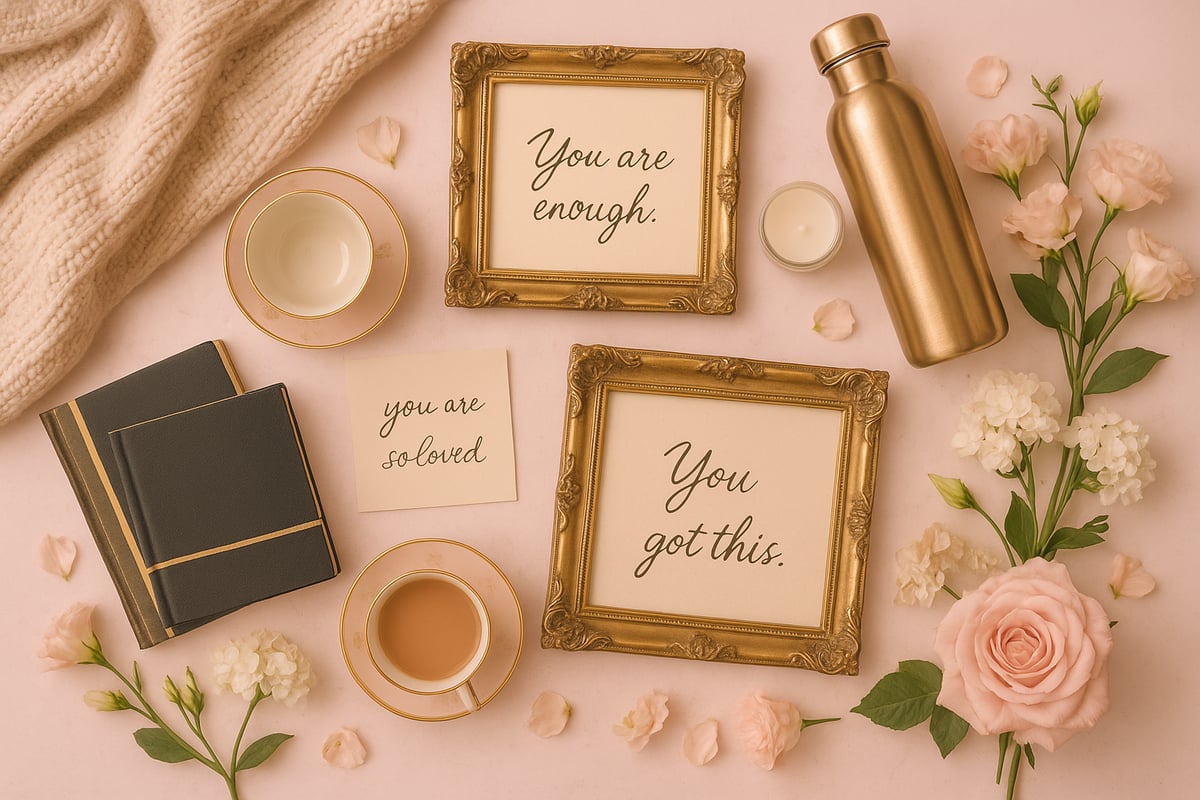
Start by whispering (or shouting!) affirmations like, “I am worthy of respect and love.” Let these words fill your space, just like sunlight on blush pink curtains. When toxic relationship behaviors have dimmed your confidence, reignite your passions—whether that’s painting, reading, or hosting a cozy brunch with friends.
Dressing for confidence? Reach for those luxe gold hoops or your favorite soft knit sweater. Style isn’t frivolous, it’s a form of self-celebration. Shift your mindset from self-blame to honoring your growth. Every small win, from setting a boundary to saying “no,” is a gold star for your heart.
You’re not just surviving—you’re thriving, and your voice deserves to be heard.
Building Boundaries with Grace and Glam
Boundaries are like vintage mirrors: they reflect your worth and add beauty to your life. Saying “no” can feel awkward, but with a little practice, it becomes pure elegance. Try scripts like:
- “I’m not comfortable with that.”
- “Let’s talk when we’re both calm.”
- “I value my privacy.”
Make setting boundaries a ritual—light a candle, jot down your intentions in a marble notebook, and reward yourself with a cozy cup of tea. Did you know women with strong boundaries report twice the relationship satisfaction? Each time you protect your space from toxic relationship behaviors, you create room for joy, freedom, and a touch of everyday glamour.
Celebrate every boundary you set, no matter how small.
Creating a Supportive, Empowered Community
No one should face toxic relationship behaviors alone. Seek out friends who inspire you, whether it’s through heartfelt conversations, vintage book swaps, or laughter-filled walks. Share your story—your voice might be the encouragement someone else needs.
Resources like support groups, online forums, and empowering reads can help you recognize the key signs of a bad relationship and remind you that your experiences are valid. Fill your life with seasonal beauty and positive energy, from fresh flowers to cozy gatherings.
Remember, you’re not alone. There’s a whole community ready to lift you up, cheer you on, and celebrate every bold, beautiful step you take.