
Picture this: soft morning light streaming through a blush-pink kitchen, the gentle clink of a vintage mug, and a mother sipping coffee while her child’s laughter drifts just out of reach. If you’ve ever felt invisible in your own home, you’re not alone. Parental alienation against mother is a hidden heartbreak that thousands face, but 2026 brings fresh hope and new insights.
This guide is your cozy, gold-trimmed roadmap to recognizing, addressing, and healing from parental alienation against mother. We’ll define the problem, spot the signs, share emotional and legal strategies, and celebrate resilience together. Ready to reclaim your story?
Understanding Parental Alienation Against Mothers
Picture yourself in a blush-pink kitchen, sunlight glinting off marble counters, as you wonder why your child suddenly feels miles away. For many, this invisible ache is called parental alienation against mother, a heartbreak that’s as real as chipped vintage teacups. Let’s peel back the layers and see what’s really happening.

What Is Parental Alienation?
Parental alienation against mother is a term that first shimmered into the legal lexicon in the late 20th century, describing when a child is manipulated into rejecting one parent—often the mother. The classic signs? The child may suddenly echo adult grievances, treat her with chilly distance, or even deny fond memories.
Myths swirl around this concept, like the notion that “kids just choose sides,” or that mothers are always the favored parent. In reality, gendered stereotypes can make it easier for others to overlook when mothers are targeted. The impact? It’s not just a bruised ego. It’s a deep, vintage-velvet wound that can unravel trust and warmth in the mother-child relationship.
If you want a foundational guide to the roots and recognition of these behaviors, Parental alienation syndrome explained offers a glam yet grounded introduction.
Prevalence and Trends in 2026
The blush-pink truth: parental alienation against mother is not rare. According to a 2024 family law review, about 22% of custody disputes now involve claims of alienation. Numbers have climbed post-pandemic, as stress and isolation fueled conflict. Courts and the public are finally dusting off their blinders, with more legal recognition and media coverage in 2026 than ever.
High-profile cases have sparked gold-trimmed headlines, bringing parental alienation against mother into mainstream conversations. More mothers are stepping forward, sharing their stories, and demanding change in both law and culture.
Why Mothers Are Targeted
Why does parental alienation against mother happen so often? Societal expectations paint mothers as the default nurturers, so when relationships sour, some co-parents use guilt, manipulation, or even false accusations to isolate them.
Mothers may face unique vulnerabilities—financial stress, emotional exhaustion, or legal disadvantage. Sometimes, the motives are rooted in jealousy or a need for control.
Consider “Sophie’s story”: She noticed her child stopped hugging her, started criticizing her cooking, and repeated phrases that sounded nothing like a kid’s voice. The pain was sharp, but Sophie’s resilience—her ability to reach out for help, journal, and connect with allies—became her gold-star victory.
Recognizing the Signs: How Parental Alienation Appears
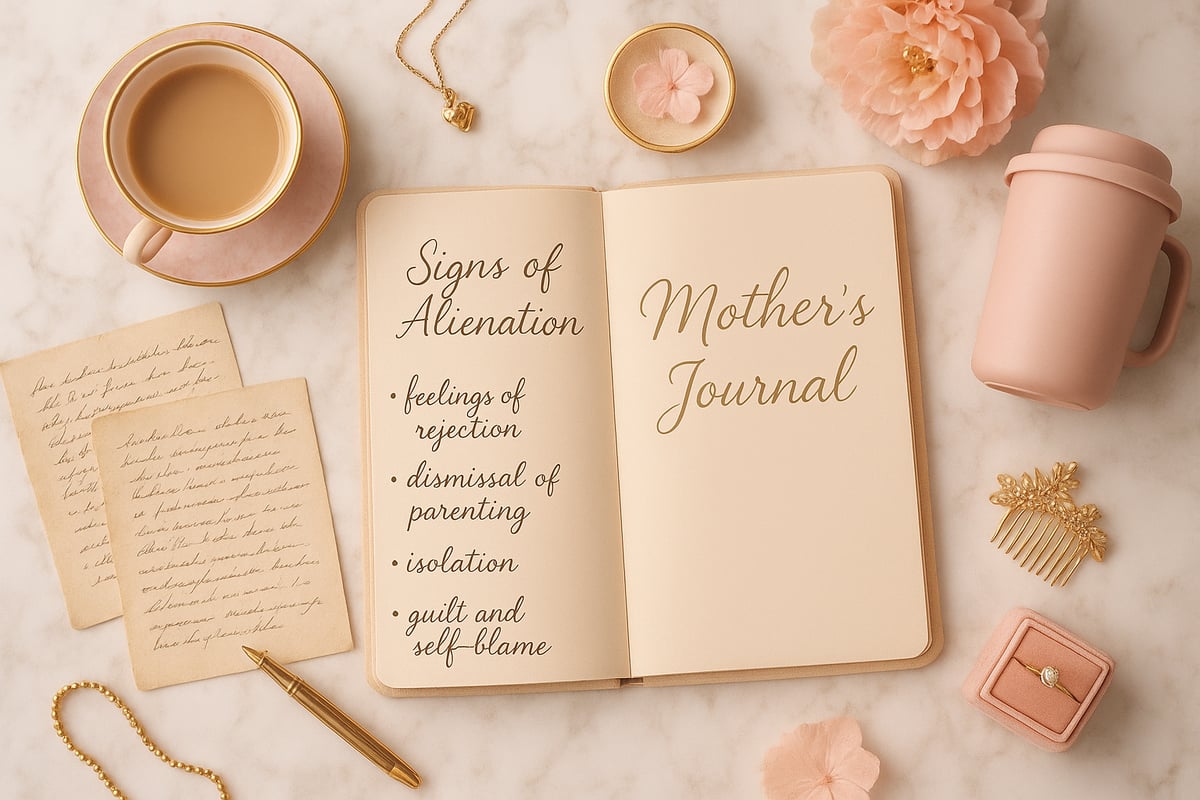
Picture this: You’re sipping a latte at your marble kitchen island, sunlight streaming over blush-pink tiles, but your child’s laughter suddenly feels far away. Recognizing the signs of parental alienation against mother isn’t always straightforward. The clues can be as subtle as the glint of gold on a vintage tea set, or as startling as a slammed door in a once-cozy home. Let’s gently untangle these red flags together, so you can step back into your power, one elegant clue at a time.
Behavioral and Emotional Red Flags
The first signs of parental alienation against mother often slip in quietly, like a draft through a velvet curtain. Maybe your child, once eager for weekend brunches, now withdraws or reacts coldly. You might hear them use strangely adult phrases, or notice they suddenly call you by your first name instead of “Mom.”
Look out for:
- Hostility or emotional outbursts linked to visits or calls
- Refusal to see extended family on your side
- Sudden disinterest in shared traditions or cozy routines
If you sense a shift, trust your intuition. This pattern isn’t “just a phase”—it’s a signal that something deeper might be happening.
Subtle Manipulation Tactics
Parental alienation against mother is rarely loud; it’s more like a slow fade in a vintage photograph. Some tactics are almost invisible: gaslighting, rewriting family history, or quietly undermining your authority. You might notice your routines being dismissed, or hear about extravagant gifts meant to outshine your thoughtful gestures.
Common tactics include:
- Planting false stories at school or in the community
- “Gift wars” that make your efforts seem small
- Ongoing, subtle criticism that chips away at your role
According to the Family Dynamics Study (2023), 68% of mothers report this kind of ongoing undermining. Recognizing these patterns is the first step in reclaiming your narrative.
Psychological and Developmental Impact on Children
The ripples of parental alienation against mother touch every part of a child’s world, from their self-esteem to their sense of safety. Kids exposed to this dynamic may show anxiety, trouble trusting others, or struggle with friendships and schoolwork.
Long-term, these children can face identity confusion and lasting self-doubt. In fact, research shows children living with parental alienation are four times more likely to need counseling. For a deeper look at how these early experiences shape adulthood, explore this study on parental alienation’s impact on adult life satisfaction.
Spotting these effects early gives you a golden opportunity to intervene and nurture healing—for both of you.
When to Seek Help
If your blush-pink world starts to feel gray, and you spot these patterns, it’s time to gather your village. Urgent signs include total withdrawal, talk of “never wanting to see you,” or dramatic mood changes. Don’t wait—reach out to therapists, legal advisors, and friends who can help you navigate parental alienation against mother with strength and style.
Building a support circle early is not just wise—it’s a beautiful act of self-love. Every step you take brings you closer to warmth, healing, and reconnection.
Legal Landscape in 2026: Rights, Remedies, and Realities
The legal world of parental alienation against mother is evolving—think courtroom drama meets cozy, blush-pink resolve. In 2026, laws shimmer with new hope, yet the path is still layered with black marble challenges and vintage gilded victories. Let’s step into this legal parlor and see what’s changed, what’s working, and how mothers can move forward with confidence.

Current Laws and Protections for Mothers
In 2026, family law has taken a more nuanced approach to parental alienation against mother. Courts now recognize the emotional and developmental harm caused by alienation, with updated statutes that clarify definitions and expand protections. Some states have pioneered educational programs and support services, as seen in the Massachusetts bill to eliminate parental alienation, which sets a gold standard for legal reform.
Despite these advances, variations still exist between states. Federal trends point toward greater awareness, but not every jurisdiction moves at the same blush-pink pace. Notable legal victories have empowered mothers to challenge outdated stereotypes, opening doors for more equitable outcomes.
Navigating the Family Court System
If you suspect parental alienation against mother, documentation is your first vintage-gold tool. Keep a detailed journal—think gold-embossed pages—of every concerning incident. Save texts, emails, and social media messages. Dates, times, and context matter.
Custody evaluators and guardians ad litem can play a pivotal role. When presenting evidence, clarity and composure sparkle brighter than drama. Focus on patterns, not isolated moments. In testimony, remember: confidence, clarity, and a touch of grace go a long way in the marble halls of justice.
Barriers and Challenges in Legal Proceedings
Barriers still exist for those facing parental alienation against mother, especially in states with lingering biases or limited resources. Legal battles can be emotionally draining and costly, with financial strain adding to the weight. Common pitfalls include lack of documentation or letting emotions overflow in court.
Maria’s legal journey, for example, taught her the value of detailed records and finding a supportive legal team. She learned that even small victories—like a judge recognizing her efforts—are worth celebrating with a blush-pink latte.
Resources for Legal Support
Don’t face parental alienation against mother alone. Seek specialized attorneys or advocacy groups familiar with these cases. Many offer pro bono or sliding-scale services. National organizations and curated reading lists can also light your path with gold-dusted knowledge and support.
Emotional and Practical Steps for Healing
Healing from parental alienation against mother is an art, not a race. Imagine starting your day with sunlight spilling across a marble counter, the scent of coffee, and a journal waiting for your gold-inked thoughts. Recovery is possible, and every blush-pink step matters.

Self-Care and Emotional Resilience
When facing parental alienation against mother, self-care is more than a buzzword, it is a lifeline. Start with daily rituals: a blush-pink candle at sunrise, a journal for your thoughts, or a walk through a vintage rose garden. These moments wrap you in cozy luxury and remind you that your well-being is non-negotiable.
Build your support circle with friends who bring warmth, therapists who offer expertise, and online communities where your story is seen. Celebrate every gold-star moment, no matter how small. Shifting your mindset from guilt to empowerment is a game-changer. According to the Women’s Wellness Alliance, self-care improves outcomes for 73% of women facing parental alienation against mother.
- Try a gratitude jar in the kitchen
- Schedule weekly check-ins with your support group
- Savor your favorite tea in a vintage cup
Every act of self-kindness is a radiant step forward.
Rebuilding the Mother-Child Bond
Parental alienation against mother can feel like a velvet rope between you and your child, but gentle persistence works wonders. Keep communication loving and consistent, even if met with silence. Create cozy, safe spaces—picture baking together under soft lighting or sharing Sunday brunches in your favorite blush-pink kitchen.
Have age-appropriate conversations about what’s happening, always focusing on reassurance. Memory books and shared rituals, like vintage family photo nights or handwritten notes, weave your story back together. For more insight into navigating these challenges, explore mother-daughter relationship issues.
- Leave encouraging notes in lunchboxes
- Start a shared journal for thoughts and dreams
- Revisit favorite traditions, no matter how simple
Small, golden moments rebuild trust and connection.
Coping with Grief and Loss
The grief of parental alienation against mother is real and deserves velvet-soft compassion. Give yourself permission to feel sadness—no cold detachment, just cozy comfort with a cashmere throw and a favorite playlist.
Professional support, like therapists or support groups, helps you process emotions without shame. Artistic expression is a balm—paint, write, sing, or create something beautiful from your experience. You are not alone, and your feelings are valid.
- Schedule therapy sessions as self-investment
- Try expressive journaling with gold-ink pens
- Create a playlist of songs that feel like hope
Each gentle step honors your healing journey.
Empowerment Through Knowledge and Advocacy
Parental alienation against mother can transform pain into power. Stay informed about legal and psychological updates—knowledge is your gold-plated armor. Sharing your story, whether in support circles or community events, inspires others and breaks the silence.
Look for advocacy opportunities, from supporting reforms to joining awareness campaigns. Remember Lila’s letter—a single voice can change an entire community. Create a vision board of your goals, and let every step feel like a celebration of resilience.
- Bookmark trusted resources for ongoing learning
- Volunteer with local organizations
- Write your own advocacy letter or blog post
You are not just surviving, you are shaping a more beautiful, just world.
Step-by-Step Guide: What To Do If You Suspect Parental Alienation
Suspecting parental alienation against mother can feel like watching a blush-pink sunrise through frosted glass—beautiful, but distant and clouded. You deserve clarity, warmth, and a step-by-step plan that’s as elegant as it is effective. Here’s your vintage-inspired, gold-star guide to taking action, one cozy, empowered step at a time.
Step 1: Document Everything
Start with a gold-embossed journal or a chic digital planner. Every time you notice a shift—a frosty text, a missed call, or a sudden change in your child’s words—write it down. For mothers facing parental alienation against mother, documentation is your blush-pink armor in the legal and emotional journey ahead.
Save every text, email, and voicemail that feels off. Snap photos of notes or gifts that seem to rewrite family history. Organize your evidence by date and context, making it easy to reference later. Using a table or color-coded folders can turn chaos into calm.
Want to know which behaviors are truly worth noting? Explore these toxic signs in a relationship to sharpen your eye for subtle manipulation. Remember, you’re not being dramatic—you’re being prepared.
Step 2: Seek Professional Guidance
No one expects you to be a marble statue of strength alone. When parental alienation against mother becomes more than a passing worry, it’s time to gather your glam squad of experts.
Reach out to a therapist experienced in family dynamics. A family law attorney familiar with parental alienation against mother can help you understand your rights and shape your next steps. For your child, a psychologist’s assessment can add shimmering clarity to confusing behaviors.
If the school is involved, meet with counselors or teachers to share your concerns. Early professional support is a cozy cashmere layer of protection—soft yet powerful.
Step 3: Communicate With Your Child
Even if your child’s words sting or their silence feels colder than marble, keep the lines of communication open. Parental alienation against mother can make conversations awkward, but your warmth and patience are your most elegant tools.
Use gentle, non-judgmental language. Avoid blaming the other parent, no matter how tempting. Instead, create joyful, memory-making moments—bake cupcakes, paint together, or snuggle up for story time. These rituals become the gold threads that reconnect your hearts.
Encourage your child to share their feelings, even if their words are tangled. Let your blush-pink kitchen or favorite reading nook be a safe, inviting space for honesty.
Step 4: Build Your Village of Support
Parental alienation against mother can feel isolating, but you’re far from alone. Reach out to friends who lift you up, family who believe in you, and support groups that understand your story.
Online communities for mothers facing parental alienation against mother offer advice, empathy, and vintage-chic solidarity. Dive into books, podcasts, and local organizations designed to empower and inform. Celebrate each small win—a returned hug, a kind message, a peaceful night’s sleep.
Remember, every blush-pink step forward is a victory worth gilding. Surround yourself with those who remind you of your strength and style.
Preventing Parental Alienation: Proactive Strategies for Mothers
Picture this: the sun spills across a marble countertop, vintage teacups clink, and you’re setting the tone for a home that glows with warmth and respect. Preventing parental alienation against mother isn’t just about defense—it’s about crafting a space where love, boundaries, and resilience shimmer together. Let’s explore how to make your family dynamic both beautiful and unbreakable.
Setting Healthy Boundaries Early
The first brushstroke in preventing parental alienation against mother is setting boundaries that feel as elegant as blush velvet and as strong as black marble. Early agreements help everyone know what’s expected and what’s off-limits.
- Create a co-parenting plan that’s clear, respectful, and leaves no room for confusion.
- Hold vintage-inspired family meetings—think floral notebooks and gold pens—to talk openly about routines and feelings.
- Teach your child about respect and kindness in every interaction.
If you’re navigating life post-divorce, you’ll find even more insight in Life after divorce insights, which sparkles with practical tips for mothers facing changes. Remember, boundaries aren’t about walls—they’re about chic, inviting doors that open to trust.
Fostering Resilience in Children
A cozy, resilient child is your secret weapon against parental alienation against mother. Help your little one shine, even if stormy days come.
- Encourage emotional expression with gratitude journals or vision boards—let your kitchen table become an art studio of feelings.
- Model forgiveness and empathy. When you show grace, your child learns to do the same.
- Celebrate small wins, like a peaceful bedtime or giggles during a rainy afternoon.
According to the Parental alienation statistics report 2025, children who are supported emotionally are far less likely to be swept up in conflict. Cozy rituals and honest chats help anchor your child’s sense of self, even when outside forces swirl.
Community and Advocacy Involvement
You’re not just one mother with a blush-pink kitchen. You’re part of a dazzling, resilient community—ready to change the world and prevent parental alienation against mother on a grander scale.
- Connect with local and national organizations advocating for family wellness.
- Join awareness campaigns or policy conversations, even if it’s just sharing your story over coffee.
- Inspire others by supporting reforms that protect mothers and children. The NAWL’s stance on parental alienation allegations offers insight into how advocacy is shaping brighter futures.
Every time you reach out, you create ripples of change—golden, shimmering, and full of hope. Together, we can turn the tide and celebrate every blush, black, and gold victory.