Imagine your dinner plate as a dreamy palette of blush pink, shimmering gold, and cool marble. It looks gorgeous, but could sneaky ingredients be dimming your natural glow? Many women feel zapped by fatigue, mood swings, or dull skin, never suspecting that their meals are quietly fueling inflammation.
Chronic inflammation is a beauty thief, stealing your energy, radiance, and confidence. The good news? You have the power to reclaim your sparkle by learning which inflammatory foods to avoid and swapping them for options that love you back.
This guide is your invitation to a more vibrant, empowered 2026. We’ll unveil the 9 essential inflammatory foods to avoid, decode their effects on your body, and share chic, practical swaps to keep your life delicious and inflammation-free. Let’s turn your plate into a canvas for wellness and confidence.
Understanding Inflammation and Its Impact on Women’s Health
Imagine inflammation as a smoldering fire beneath the marble surface of your wellness. Sometimes, it glows bright and obvious, but often, it lingers quietly, dulling your energy and glow. Understanding what causes this is the first step to choosing the right inflammatory foods to avoid for a vibrant, empowered life.
What is Inflammation?
Inflammation can be both your body’s elegant defense and its hidden saboteur. Acute inflammation is like a bold, blush-pink flare—your immune system’s quick response to injury or infection. Chronic inflammation, however, is that sneaky, low-grade fog that drapes over your days, making joints ache, moods swing, and skin lose its shimmer.
For women, chronic inflammation is on the rise, especially between ages 25 and 55. Recent research reveals that women eating diets high in inflammatory foods to avoid have a 30 percent higher risk of metabolic syndrome. Your daily choices—what you plate, sip, and savor—play a starring role in this story.
Spotting hidden sources of inflammation is essential for anyone craving more energy, better skin, and a clear mind. If you want to go deeper, see these Anti-inflammatory diet guidelines for expert advice.
Why Women Need to Pay Special Attention
Women’s bodies are beautifully dynamic, with hormones dancing through cycles of PMS, perimenopause, and menopause. These natural shifts can make you more sensitive to inflammatory foods to avoid, turning a simple snack into a trigger for fatigue or dull skin.
Because women have unique immune and metabolic profiles, they face a higher risk of autoimmune disorders—80 percent of autoimmune sufferers are women, according to the NIH. Chronic inflammation can affect your confidence, mood, and even that sought-after glow.
The empowering news? Small, chic swaps in your diet can make a big difference. It’s not about restriction, but about choosing what makes you feel luminous and strong every day.
Signs Your Diet May Be Fueling Inflammation
How do you know if your lunchbox is secretly sabotaging your sparkle? Watch for these telltale signs that you may be eating too many inflammatory foods to avoid:
- Puffiness or swelling, especially in the face and hands
- Joint stiffness that lingers throughout the day
- Brain fog or trouble focusing after meals
- Digestive discomfort like bloating or irregularity
- Dull, breakout-prone skin
Picture this: You finish a meal and feel tired rather than energized, or you notice more mood swings and skin flare-ups. Take a moment to reflect—could your everyday foods be the culprit? Try this quick self-check:
| Symptom | Frequency | After Certain Foods? |
|---|---|---|
| Puffiness | Rare/Often | Yes/No |
| Brain Fog | Rare/Often | Yes/No |
| Skin Breakouts | Rare/Often | Yes/No |
Bringing awareness to these signs is your first step toward glowing, inflammation-free living.
9 Essential Inflammatory Foods to Avoid
Some foods look pretty on your plate but act like undercover villains for your energy, skin, and mood. If you want to feel vibrant and glow from the inside out, knowing which inflammatory foods to avoid is your secret weapon. Not all foods are created equal—some are drama queens for your immune system, sparking irritation, fatigue, and dullness. Let’s unveil the nine essential inflammatory foods to avoid, with realistic swaps and glam practical tips. For a deep dive, check out this Harvard gut doctor on inflammatory foods for expert-backed insights.
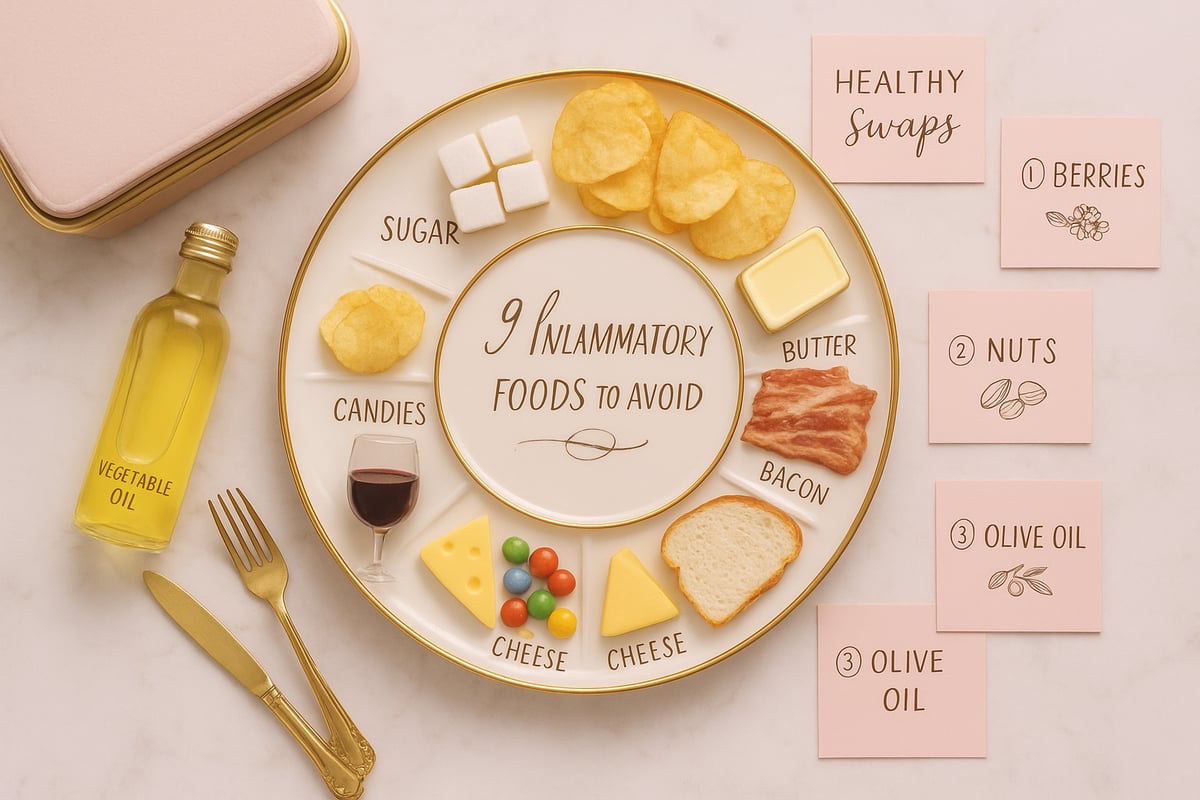
1. Refined Sugar and High-Fructose Corn Syrup
Sugar isn’t just a sweet tooth’s delight—it’s one of the most powerful inflammatory foods to avoid. When you indulge in sodas, pastries, flavored yogurts, or those tempting coffee syrups, your blood sugar spikes, triggering inflammation that can show up as fatigue, mood swings, and even premature fine lines. American women now consume twice the recommended daily sugar limit, according to the CDC. Want a glow-up instead? Swap out refined sugars for honey, maple syrup, or a handful of fresh berries. One reader swapped her daily caramel latte for cinnamon tea and noticed her skin looked brighter within weeks.
2. Processed and Packaged Snack Foods
That satisfying crunch of chips, crackers, or even “healthy” granola bars often hides a storm of inflammatory foods to avoid. These snacks are packed with preservatives, artificial colors, and trans fats that can leave you feeling sluggish and achy. Harvard found women who snack on processed foods daily report 25% more joint pain. Instead, glam up your snack game with a DIY trail mix—think almonds, pumpkin seeds, and a sprinkle of dried cherries. The satisfaction is real but without the aftermath.
3. Trans Fats and Hydrogenated Oils
Trans fats are the ultimate party crashers—still lingering in margarine, fried snacks, and some older baked goods despite FDA bans. They raise your LDL (bad cholesterol) and spark systemic inflammation, making them key inflammatory foods to avoid. Look out for sneaky labels like “partially hydrogenated oils.” For everyday cooking, reach for olive oil, avocado oil, or coconut oil instead. Picture the golden drizzle of olive oil over roasted veggies—pure, cozy luxury in your kitchen.
4. Conventional Red and Processed Meats
Sausages, bacon, deli meats, and non-organic beef are loaded with saturated fats and preservatives, ramping up your body’s inflammation response. Studies show women eating processed meats three times a week have 20% higher inflammation markers. These are classic inflammatory foods to avoid if you crave more energy and clearer skin. Swap in grass-fed, organic meats or go plant-based with lentils or a juicy grilled portobello. Imagine savoring a smoky, grilled mushroom burger—guilt-free and glam.
5. Refined Grains and White Flour
White bread, pasta, pastries, and pizza crust may be comfort classics, but they’re stripped of fiber and nutrients, making them prime inflammatory foods to avoid. They spike blood sugar and leave you feeling foggy or bloated. Diets high in refined grains are linked to a 15% higher risk of chronic inflammation. Try swapping white toast for seeded sourdough or sprouted grain bread. The hearty, nutty bite will feel like a vintage bakery treat—pure cozy vibes.
6. Dairy Products (Especially Conventional)
For many women, conventional dairy is one of the most sneaky inflammatory foods to avoid. Milk, cheese, and ice cream can trigger bloating, skin flare-ups, or fatigue, especially if you’re lactose or casein sensitive. The NIH reports 68% of the global population has some lactose intolerance. Indulge in creamy alternatives like almond, oat, or coconut yogurt. Picture yourself savoring a silky coconut yogurt parfait in a blush-pink bowl—luxury and wellness in every spoonful.
7. Artificial Sweeteners and Additives
Aspartame, sucralose, and artificial food dyes can disrupt your gut health and immune balance, making them important inflammatory foods to avoid. These are hidden in “diet” sodas, sugar-free snacks, and colorful candies. Women who switch to natural sweeteners often report less bloating and more stable moods. Try raw honey, monk fruit, or a splash of vanilla extract for a touch of sweetness. Think of it as a chic upgrade for your morning coffee.
8. Excessive Alcohol
Even a “harmless” glass of wine can be one of the inflammatory foods to avoid, especially for women. Alcohol disrupts gut flora and stresses your liver, raising inflammation risk. Women metabolize alcohol differently, which means more pronounced effects. Swap your evening drink for sparkling water with a twist of citrus or a herbal mocktail in a gold-rimmed glass. You’ll get all the sparkle, none of the sluggishness.
9. Certain Vegetable Oils (Soybean, Corn, Canola)
Soybean, corn, and canola oils are high in omega-6 fatty acids, tipping your body’s balance toward inflammation. These oils sneak into salad dressings, restaurant meals, and packaged foods, making them essential inflammatory foods to avoid. Western diets can have omega-6 to omega-3 ratios as high as 20:1 (the ideal is about 4:1). Opt for extra-virgin olive oil, walnut oil, or flaxseed oil instead. Imagine the rich, golden pour of olive oil over your favorite roasted veggies—both luxe and anti-inflammatory.
How to Spot Inflammatory Foods in Your Everyday Life
If you want that lit-from-within glow, learning to identify inflammatory foods to avoid is your secret gold key. Picture yourself strolling the market, blush-pink basket in hand, easily spotting what supports your sparkle and what might secretly sabotage it. With a few elegant tricks, you’ll feel empowered to curate a pantry that makes you feel fabulous—every single day.
Reading Labels Like a Pro
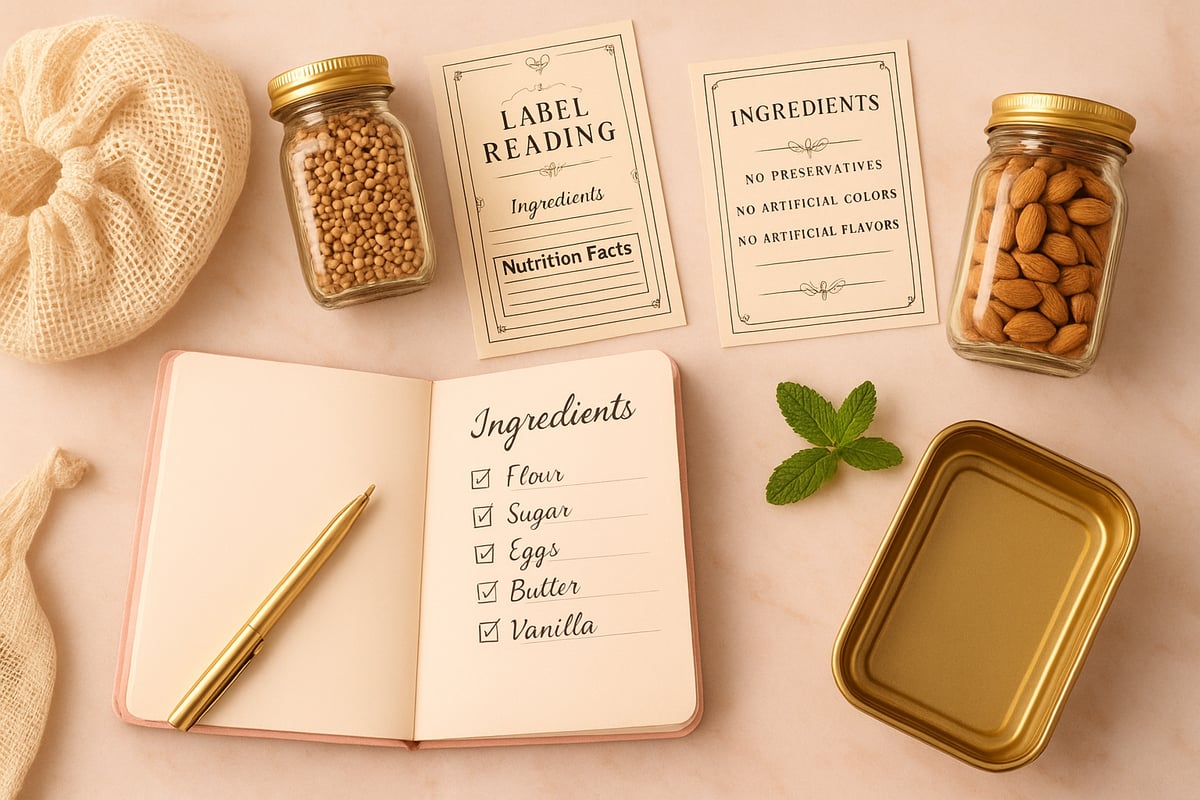
Decoding food labels is like uncovering hidden treasures (or traps) in your kitchen. Many inflammatory foods to avoid lurk behind fancy packaging, but you can spot them with a glam detective’s eye.
Watch for these code words:
| Ingredient | What it Means |
|---|---|
| Partially hydrogenated | Trans fats |
| Maltodextrin | Hidden sugar |
| Corn syrup solids | Added sugar |
| Artificial color (Red 40, Yellow 5) | Additives |
| Monosodium glutamate (MSG) | Flavor enhancer |
That “healthy” granola bar? Peek closer—it might have four types of sugar dressed in disguises. Keep a cheat sheet on your phone, or snap a photo to remind yourself. Every label you decode is a tiny celebration for your wellness and a chic act of self-care.
Sensory Cues and Intuitive Eating
Your body is a vintage beauty with wisdom to share. When it comes to inflammatory foods to avoid, tuning into how you feel after eating is as important as reading any label.
Notice if you feel puffed up, sluggish, or moody after certain meals. Does your skin lose its glow after that creamy latte or neon snack? Try journaling your food adventures in a blush-pink notebook, jotting down taste, texture, and how you feel later. This mindful practice will help you swap out foods that dull your sparkle for those that make you shine.
A simple switch—like choosing a fragrant herbal tea over a heavy coffee drink—can leave you feeling lighter, brighter, and ready to take on your day.
Shopping and Meal Prep Tips
Curating a pantry free of inflammatory foods to avoid can feel like styling your dream wardrobe: shop the outer aisles for fresh, whole foods, and let your meal prep reflect your personal flair.
Batch-cook anti-inflammatory meals on a cozy Sunday, storing them in gold-accented containers for grab-and-go glam. Try prepping overnight oats with berries and flaxseed, or create a rainbow salad with marble-hued veggies.
If you’re craving more structure, the 21-day anti-inflammatory diet plan is a beautiful guide to help you confidently build delicious routines and keep inflammation at bay. Every small choice you make is a win—so light a candle, toast your effort, and savor the journey.
Empowering, Sustainable Swaps for a Radiant, Inflammation-Free Life
Imagine your kitchen as a canvas—blush pink walls, gold-accented jars, and a marble countertop scattered with fresh, vibrant ingredients. Transforming your routine with empowering swaps isn’t just about what you remove, but how you add beauty, flavor, and confidence to every bite. Ready to make inflammatory foods to avoid a thing of the past? Let’s get chic and practical.
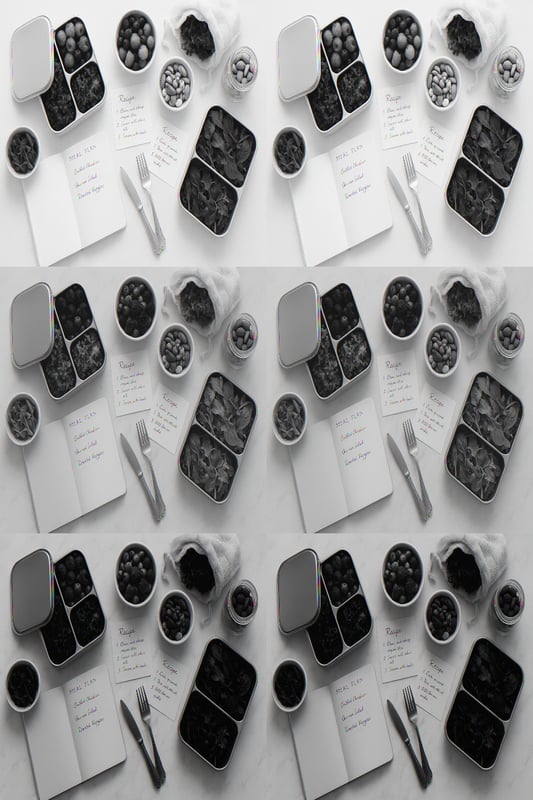
Simple, Chic Food Substitutions
Swapping out inflammatory foods to avoid doesn’t mean sacrificing joy or glamour at your table. With a few inspired changes, you’ll still savor every moment.
- Trade white pasta for zoodles or spiralized veggies—so much more color and crunch.
- Swap conventional dairy for creamy almond, oat, or coconut alternatives.
- Use extra-virgin olive oil or walnut oil in place of processed vegetable oils.
- Choose seeded sourdough or sprouted grain bread over white toast.
Try hosting a vintage-inspired brunch where every dish is a celebration of your anti-inflammatory journey. For more tailored advice on how dietary swaps can unlock both confidence and results, check out Women losing weight over 40.
Building a Supportive, Stylish Routine
Your routine should feel as inviting as a cozy, gold-lit kitchen on a rainy afternoon. Meal prepping anti-inflammatory dishes can be a self-care ritual, not a chore.
- Plan your week with friends—turn meal prep into a mini celebration.
- Display your prettiest jars, gold utensils, and marble boards for daily inspiration.
- Batch-cook overnight oats with berries and flaxseed in blush pink containers for grab-and-go glow.
Want to take your journey further? Consider joining a wellness weekend retreat for women where anti-inflammatory living is woven into every detail, from nutrition workshops to luxurious, supportive environments.
Celebrating Progress, Not Perfection
Embracing inflammatory foods to avoid is a path, not a finish line. Celebrate every small victory, whether it’s choosing a nourishing lunch or simply reading a label with confidence.
- Light a blush-pink candle as you enjoy your anti-inflammatory meal.
- Share your wins with friends or in a supportive community.
- Keep a marble-accented journal to reflect on how you feel—notice the energy, the glow, the lighter mood.
Remember, every step you take is a stylish act of self-love. You’re not aiming for flawless, just fabulous and empowered—one beautiful meal at a time.
Frequently Asked Questions About Inflammatory Foods
Curious about inflammatory foods to avoid and how they impact your glow? Let’s get cozy and clear up the confusion with these chic FAQs.
What’s the difference between anti-inflammatory and inflammatory foods?
Anti-inflammatory foods soothe your body, while inflammatory foods to avoid can heighten redness, puffiness, and fatigue. Learn more about their impact on heart health in this study by the American College of Cardiology.
Can I ever have these foods in moderation?
Absolutely! Think of it like a vintage cocktail—occasional sips, not daily pours. Listen to your body’s cues.
Are gluten-free foods always anti-inflammatory?
Not always. Many gluten-free snacks are still packed with sugars and additives. Read labels and opt for whole, chic swaps.
How quickly will I see results from making changes?
Some women notice brighter skin and less bloat within a week, while deeper shifts may take a month. Savor each mini win.
What are the best resources for learning more?
For a glam, science-backed guide, check out the 8 food ingredients causing inflammation from the Arthritis Foundation.