
There's something undeniably glamorous about having wine delivered to your doorstep each month. It feels like a little luxury ritual, a subscription to sophistication without the intimidation of walking into a wine shop and pretending you know the difference between a Burgundy and a Bordeaux. But here's the honest question: is a wine of the month club actually worth your money, or is it just another subscription draining your account while bottles pile up unopened in your pantry? Let's uncork the truth about these popular clubs and figure out if they deserve a spot in your budget.
What Exactly Is a Wine of the Month Club?
A wine of the month club is essentially a curated subscription service that delivers wine selections directly to your door on a recurring basis. Think of it as having a personal sommelier who shops for you, minus the snobbery and the eye-watering restaurant markup.
Here's how most clubs work:
- You choose a subscription tier based on budget and preferences
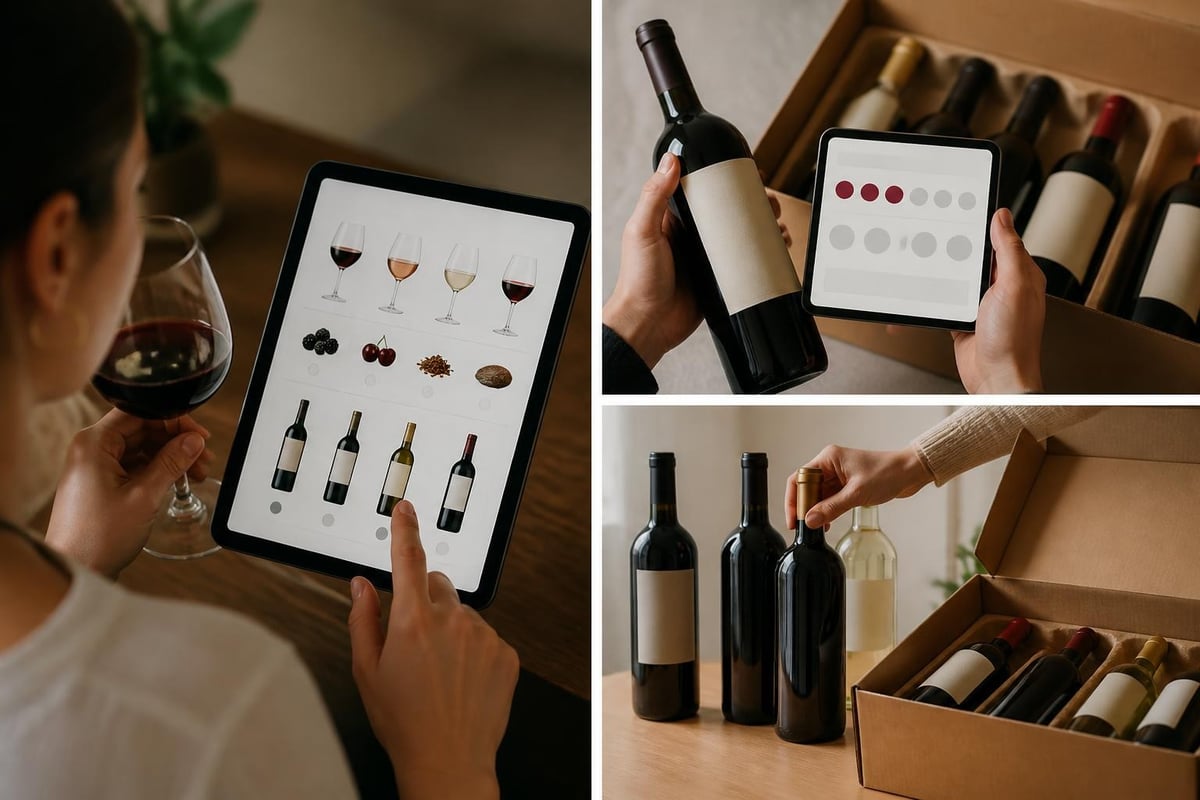
- Wine experts or algorithms select bottles tailored to your taste profile
- Wines arrive monthly, bi-monthly, or quarterly depending on your plan
- You typically receive 2-12 bottles per shipment with tasting notes
- Many clubs offer flexibility to skip months or adjust preferences
The concept isn't new. According to comprehensive club reviews, some wine subscription services have been around since the 1970s, evolving from mail-order catalogs to sophisticated online platforms that use your taste preferences to personalize selections.
What makes these clubs appealing is the discovery factor. You're not just buying wine; you're getting an education, trying regions and varietals you'd never pick up yourself, and potentially finding new favorites without the commitment of buying full cases.

The Real Cost Breakdown
Let's talk money, because that's where the rubber meets the road. A wine of the month club can range wildly in price, and understanding what you're actually getting per dollar matters when you're building a beautiful life on a realistic budget.
| Club Tier | Monthly Cost | Bottles/Month | Cost Per Bottle | Who It's For |
|---|---|---|---|---|
| Budget-Friendly | $40-$60 | 2-3 | $13-$20 | Casual sippers testing the waters |
| Mid-Range | $80-$120 | 4-6 | $15-$25 | Regular wine drinkers wanting variety |
| Premium | $150-$250 | 6-12 | $20-$40 | Serious enthusiasts and entertainers |
| Luxury | $300+ | 12+ | $40+ | Collectors and connoisseurs |
According to detailed subscription assessments, most mainstream clubs fall into that mid-range category, which translates to roughly $2.50-$4.00 per glass if you're pouring standard 5-ounce servings.
The hidden costs to watch:
- Shipping fees (some clubs include it, others charge $10-$20)
- Taxes and state-specific alcohol fees
- Cancellation penalties if you're locked into annual commitments
- Upgrade charges for premium selections
Here's where it gets interesting for your wallet. If you typically grab a $12 bottle at the grocery store once a week, you're spending about $48-$52 monthly anyway. A wine of the month club at $60 delivering three thoughtfully selected bottles might actually upgrade your wine game without breaking the bank.
The key is honest math. Track what you're currently spending on wine over three months, then compare that to potential club costs. Sometimes the subscription isn't an addition; it's a smarter reallocation.
How to Choose the Right Club for Your Lifestyle
Not all wine subscriptions are created equal, and the wrong match can turn into subscription fatigue faster than you can say "cancel membership." The industry itself recognizes this challenge, with experts discussing strategies to combat subscription fatigue and keep the experience fresh.
Match Your Drinking Habits
Be brutally honest about your actual consumption. If you're a weekend-only wine drinker, a monthly delivery of six bottles will overwhelm you. Start small with:
- Two bottles monthly for occasional enjoyment
- Four bottles if you typically have wine with dinner 2-3 times weekly
- Six or more if you entertain regularly or share with a partner
Consider Your Taste Preferences
The variety seekers: Look for clubs emphasizing discovery and rotation through different regions. You'll try everything from Spanish Albariños to Oregon Pinot Noirs.
The creature of habit crowd: Choose clubs that let you specify preferences (reds only, no sweet wines, California focus). Some platforms learn from your ratings and adjust future shipments accordingly.
The adventurous palate: Premium clubs often include rare, small-production wines you can't find in stores. Worth the splurge if discovery genuinely excites you.
The top-rated club analysis reveals that customization options vary significantly. Some clubs offer quiz-based matching, while others assign you to pre-set categories. Know which approach aligns with your personality before committing.
What You're Really Paying For
Beyond the actual wine, subscription services provide intangible value that justifies the cost for many members. Let's break down what you're getting beyond fermented grapes.
Education and Tasting Notes
Each shipment typically includes detailed information about the wines: where they're from, the winemaker's story, tasting notes, food pairing suggestions, and sometimes even recipes. If you're trying to develop your palate or feel more confident ordering wine when you're out, this education component is genuinely valuable.
Think of it as taking a wine appreciation course, but instead of sitting in a classroom, you're cozied up on your sofa with a glass in hand. Much better learning environment, honestly.
Convenience Factor
The time saved is real. No browsing overwhelming wine shop aisles, no second-guessing your selections, no dragging bottles home from the store. For busy women juggling work, family, and the million other things on our plates, that convenience has actual monetary value.
Time saved per month:
- Shopping trip to wine store: 45-60 minutes
- Research on what to buy: 20-30 minutes
- Total: About 90 minutes you get back
If your time is worth anything close to professional rates, that hour and a half might justify the subscription premium right there.
Discovery Without Risk
Here's the thing about buying wine yourself: you tend to gravitate toward the familiar. That same Cabernet you always grab, the Chardonnay with the pretty label you recognize. A wine of the month club pushes you into trying bottles you'd never select independently, expanding your palate without the risk of wasting money on something you hate (because you're getting multiple bottles to balance any misses).
The Downsides Nobody Mentions
Let's keep it real. Wine subscriptions aren't perfect, and pretending they are would be dishonest. Here are the actual frustrations you might encounter.
Storage becomes an issue fast. If you're not drinking every bottle immediately, you need proper storage space. Those bottles pile up, and not everyone has a wine fridge or cool basement. Stacking Pinot Noir next to your cleaning supplies under the kitchen sink isn't exactly optimal.
Commitment pressure feels stressful. There's psychological weight to having wine show up whether you're ready for it or not. Some months you're entertaining and thrilled. Other months you're doing a health reset or money is tight, and that delivery feels like an obligation rather than a treat.
Quality can be inconsistent. Even with user feedback from actual subscribers, experiences vary. Some months you'll get wines worth twice the price. Other times you'll receive bottles that taste like they came from the clearance rack.
Shipping limitations frustrate. Depending on your state's alcohol laws, some clubs can't ship to you at all. Others charge premium shipping fees that negate any value proposition.
The flexibility to pause or skip months helps, but you have to remember to log in and actually do it before the billing cycle. Miss that window and you're stuck with wine you didn't want that month.
Making a Wine Subscription Work for Your Budget
If you're intrigued but cautious about adding another recurring charge, here are practical strategies to make a wine of the month club fit within your financial goals.
Start with the smallest commitment possible
Most clubs offer month-to-month options alongside annual plans. Yes, annual subscriptions often include discounts (typically 10-20% off), but starting monthly gives you an exit ramp if it's not working.
Track and evaluate after three months
Give yourself a proper trial period. Note which bottles you actually enjoyed, whether you're keeping up with deliveries, and if you're getting value compared to buying wine yourself. Similar to how you'd evaluate any spending category when you're working toward financial goals, apply the same scrutiny here.
Use it strategically for entertaining
Rather than maintaining a year-round subscription, consider activating it seasonally when you entertain most. Subscribe for November and December to cover holiday gatherings, then pause until summer when you're hosting backyard dinners. You control the timing instead of letting it control your budget.
Share with a friend
Split a subscription with someone who has similar taste. You each take half the bottles and split the cost. It's like a wine co-op that keeps costs manageable while maintaining variety.

Alternatives Worth Considering
A traditional wine of the month club isn't your only option for upgrading your wine situation without overspending.
Local wine shop loyalty programs often provide similar benefits without shipping costs. Many independent shops offer monthly picks, case discounts, and personal recommendations once they know your preferences.
Warehouse club memberships like Costco provide excellent wine selections at wholesale prices. You won't get the curated discovery aspect, but you'll save significantly on quality bottles.
Restaurant wine clubs connect you to sommeliers at your favorite local spots, often with exclusive access to wines they're featuring on menus. Bonus: you typically get discounts on dining too.
Direct winery memberships work beautifully if you have favorite producers. You're buying straight from the source, supporting small businesses, and often getting member-only releases.
Each approach has merits depending on what you value most: discovery, budget optimization, supporting local businesses, or building relationships with specific winemakers.
The Sustainability and Quality Question
Beyond personal enjoyment and budget considerations, there's growing awareness about wine production's environmental impact and product authenticity. Research into sustainability practices in the wine industry shows increasing focus on ethical production methods.
When evaluating wine clubs, consider asking:
- Do they feature organic or biodynamic producers?
- What's their carbon footprint from shipping?
- Are they supporting small, family-owned wineries or bulk distributors?
- How do they ensure wine authenticity and proper handling during transport?
These factors might influence which club aligns with your values, especially if living intentionally and supporting sustainable practices matters to you. Much like choosing how you approach wellness decisions or fashion consumption, your wine choices can reflect your broader lifestyle priorities.
When It's Actually Worth It
After cutting through the marketing and honest evaluation, a wine of the month club makes genuine sense in specific situations:
You're actively trying to learn about wine. If developing your palate and expanding knowledge genuinely interests you, the educational component justifies the cost. You're paying for structured learning, not just beverages.
You entertain regularly. Having a rotating selection of interesting bottles means you're never scrambling before guests arrive. The convenience and variety support your social life in tangible ways.
You struggle with decision paralysis. If wine shopping stresses you out or you always default to the same safe choices, letting experts curate removes that friction entirely.
You treat it as your entertainment budget. Instead of streaming services or other subscriptions, wine becomes your chosen indulgence. It's about priority alignment, not adding expenses on top of everything else.
You genuinely enjoy the ritual. Opening that monthly box, reading tasting notes, and trying something new brings you actual joy. If it feels like a treat rather than an obligation, that emotional value counts.
The subscription doesn't make sense if you're doing it because it seems sophisticated, if bottles are accumulating faster than you drink them, or if the monthly charge creates financial stress. Those are clear signals to either pause or cancel entirely.
Maximizing Your Membership
Once you've committed to a wine of the month club, these strategies help you extract maximum value.
Actually read the tasting notes
Don't just toss the information cards. Take five minutes to read about each wine before opening it. Understanding the story, region, and suggested pairings enhances your experience and trains your palate faster.
Keep a simple wine journal
Note which bottles you loved, which disappointed, and why. After six months, you'll have clear patterns that help you refine future selections or confidently buy wine on your own.
Host casual tasting nights
Invite friends over for low-key tasting sessions. Everyone brings cheese or charcuterie, you provide the wine from your subscription. It transforms your membership into shared experiences and spreads the cost-per-enjoyment ratio further.
Use leftover wine strategically
Not every bottle will be your favorite. Mediocre wines work perfectly fine for cooking, making sangria, or bringing to casual gatherings. Don't feel pressured to savor every single bottle like it's precious.
Engage with the community
Many clubs offer online forums, virtual tastings, or member events. If you're paying for membership anyway, tap into these extras that build connection and knowledge beyond the bottles themselves.
Red Flags to Watch For
Before signing up with any wine of the month club, watch for warning signs that suggest the service might not deliver on promises.
Difficult cancellation processes that require phone calls during limited hours or impose penalties. Reputable clubs make it easy to pause or cancel through your online account.
No customization options mean you're getting generic selections that might not match your taste. At minimum, you should be able to specify red, white, or mixed preferences.
Vague wine descriptions that don't tell you the actual producer, vintage, or region suggest they're offloading low-quality inventory rather than curating thoughtful selections.
No shipping insurance or replacement policy for damaged bottles. Accidents happen in transit, and clubs should stand behind their product.
Pressure to upgrade constantly through aggressive marketing emails or pushy customer service. Quality clubs let their wine speak for itself without constant upselling.
Trust your gut. If something feels off during the signup process or early communications, that intuition is usually right. There are enough quality options that you don't need to settle for questionable service.
How This Fits Into Intentional Living
Ultimately, deciding whether a wine of the month club belongs in your life comes down to intentionality. Does this subscription serve your actual goals and bring genuine value, or is it just another thing you're paying for out of habit?
Consider this through the lens of building a beautiful life without overspending. Wine can absolutely be part of that vision: elevating weeknight dinners, creating moments of pause and appreciation, facilitating connection with loved ones, or simply bringing sensory pleasure to ordinary evenings.
But it needs to be conscious, not automatic. Just like evaluating any aspect of your lifestyle, from your approach to wellness to how you experience travel, your wine choices should reflect your values and priorities.
The subscription model works when it genuinely enhances your life and fits comfortably within your budget. It doesn't work when it's driven by keeping up appearances, fear of missing out, or vague notions that sophisticated people have wine delivered monthly.
You get to decide what luxury means to you and where you want to allocate resources for pleasure and discovery. Maybe that's wine. Maybe it's something else entirely. Both answers are perfectly valid.
The goal isn't to shame yourself out of enjoyment or to justify every indulgence as "self-care." It's about making grounded decisions that align with the life you're actively building, not the life Instagram suggests you should be living.
A wine of the month club can be a lovely addition to your routine or a complete waste of money. The difference isn't in the subscription itself but in how honestly it matches your actual habits, budget, and what brings you real joy. Only you can make that call.
Finding the right balance between treating yourself and staying financially grounded is an ongoing practice, not a destination. Whether you decide a wine subscription fits your current season of life or you discover other ways to bring small luxuries into your routine, the key is making choices that feel genuinely aligned with your values and budget. For more practical guidance on building a beautiful life without overspending, from wellness tips to intentional living strategies, explore everything Seasonably Fare has to offer. We're here to help you create a life that feels both abundant and sustainable, one thoughtful decision at a time.