Picture this: blush velvet cushions, candlelight flickering against marble, and laughter that once felt like home now dissolving into uneasy silence. In 2026, conversations about how to define a toxic relationship have never been more relevant, as women everywhere seek clarity and empowerment in love, friendship, and beyond. This guide is your invitation to reclaim your peace—by learning how to define a toxic relationship in all its subtle emotional, mental, and physical layers. Get ready to spot red flags, understand the psychology behind toxic dynamics, and discover actionable steps for a life that feels safe, stylish, and truly your own.
Understanding Toxic Relationships in 2026
Imagine curling up on a blush velvet sofa, candlelight flickering, only to realize the warmth in the room doesn't match the chill in your heart. In 2026, more women than ever are asking what it really means to define a toxic relationship. The world has changed, and so have the subtle ways that toxicity weaves itself into our lives—sometimes hidden behind marble countertops and perfectly filtered photos.
The Evolving Definition of Toxicity
To define a toxic relationship in 2026, we have to look beyond the obvious. Sure, physical harm is serious, but emotional, psychological, and financial toxicity now take center stage. The digital age has introduced new forms of harm—think cold texts, performative posts, and silent treatment via "read" receipts.
Cultural shifts mean more women are setting boundaries and talking openly about therapy. A relationship might look dreamy on Instagram, yet leave you feeling hollow and unseen in real life. According to 2025 surveys, a stunning 72% of women report experiencing some form of emotional toxicity. The truth? Toxicity is about patterns that repeat, not just occasional mistakes. For a deeper dive, check out Understanding toxic relationships.
Common Myths and Misconceptions
Let’s clear the gold-rimmed mirror: to define a toxic relationship is not to label every conflict as abuse. Toxicity can exist without bruises or shouting. One major myth is that love can "fix" someone’s harmful behavior. Another? That only romantic ties can be toxic. Friends, family, even coworkers can drain your light.
The media sometimes glamorizes drama, with “ride or die” vibes and endless chaos. But real love should feel like a cozy vintage chair, not a rollercoaster you can’t get off. Recognizing these myths helps you spot red flags wrapped in pretty packaging.
Why Defining Toxicity Matters for Women
Knowing how to define a toxic relationship is pure empowerment. Clarity gives you the confidence to protect your peace and set those chic, non-negotiable boundaries. The impact goes way beyond your heart—it touches your mental health, career, finances, and even your children’s sense of safety.
When you name toxicity, you create space for healing and growth, not just for yourself but for your whole community. It takes courage to speak out, but every step you take is a win—like finding the perfect vintage lamp for your sanctuary. Celebrate your wisdom, your softness, and your strength.
Key Signs of a Toxic Relationship
Picture this: blush-pink candlelight flickers across a marble-topped table, but the air feels heavy, not warm. To truly define a toxic relationship, you need to recognize the subtle signs as well as the obvious ones. Toxicity is rarely loud at first—it creeps in through everyday moments, leaving you drained and doubting your sparkle.
Emotional and Psychological Red Flags
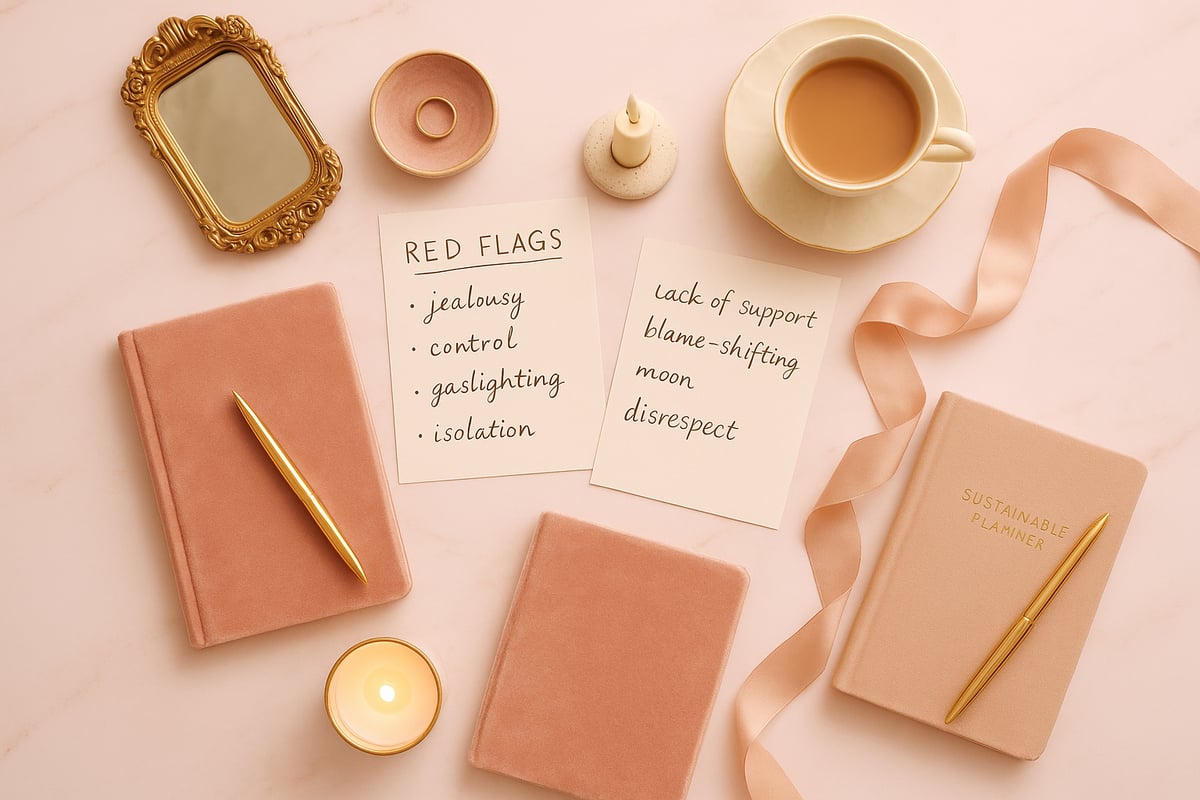
To define a toxic relationship, look beyond surface-level drama and tune into the emotional climate. Some of the most damaging red flags are invisible—hidden beneath velvet words and “just kidding” smiles.
- Chronic criticism, sarcasm, or belittling disguised as jokes
- Gaslighting: making you question your memory or feelings
- Emotional withdrawal, stonewalling, or silent treatment
- Love-bombing that morphs into chilly neglect
Imagine your partner brushing off your feelings about money or your décor choices, hinting that you’re “overreacting.” Or maybe you feel confused after every disagreement, wondering if you’re too sensitive. You’re not alone—recent surveys reveal 61% of women have experienced gaslighting in close relationships.
Want more detailed warning signs? Our Recognizing toxic relationship signs guide offers deeper insight into these patterns.
When you define a toxic relationship, emotional manipulation is often the first thread you’ll spot unraveling.
Behavioral and Communication Patterns
Glamorous Instagram couples may look perfect, but behind the scenes, toxic behaviors can hide in plain sight. The way someone acts—or refuses to act—often reveals more than words.
- Controlling your spending, friendships, or appearance
- Jealousy dressed up as care or concern
- Never apologizing, always shifting blame
- High drama cycles: endless highs and lows
Maybe your partner insists on knowing all your passwords “for trust,” but then uses them to snoop and criticize. Or perhaps they turn every small disagreement into a grand production, leaving you tiptoeing around their moods.
To truly define a toxic relationship, pay attention to these repetitive behaviors. Healthy love feels like a cozy, vintage velvet chair—supportive, never suffocating.
Physical and Financial Warning Signs
Toxicity isn’t always emotional. Sometimes, it shows up in ways you can see and count.
- Subtle physical intimidation: blocking doors, invading your space
- Financial manipulation: restricting money, sabotaging your budgeting
- Undermining your career, side hustle, or creative pursuits
Maybe your partner “accidentally” ruins your favorite vintage finds or mocks your budgeting goals. Or perhaps you start hiding receipts, feeling guilty for wanting financial independence.
To define a toxic relationship, watch for patterns where your physical safety, money, or independence are threatened. These signs may start small but can escalate, dimming your confidence and joy.
Remember, recognizing these clues is the first step to reclaiming your blush, gold, and vintage sparkle.
The Psychology Behind Toxic Dynamics
Soft candlelight flickers across blush velvet, but beneath the luxe surface, something feels off. To truly define a toxic relationship, we need to peel back the pretty layers and look at the complex psychology that keeps so many women tangled in these patterns. Understanding the roots, why strong women stay, and how these dynamics unfold is the first step toward clarity and confidence.
Root Causes and Triggers
When you define a toxic relationship, it often starts with invisible threads woven in childhood. Maybe there was parentification, where you had to act like the adult, or emotional neglect that left you craving validation. These early wounds can shape your attachment style—anxious or avoidant—making you more likely to accept chaos as normal.
Societal pressures pile on, wrapped in gold-foiled expectations: be perfect, have it all, never complain. Add stress, burnout, and the relentless hustle of modern life, and suddenly, unhealthy dynamics feel oddly familiar, even comfortable. These triggers are not flaws, but clues. By recognizing them, you begin to define a toxic relationship on your own terms.
- Childhood wounds: parentification, neglect, trauma
- Attachment styles: anxious, avoidant, secure
- Societal pressure: perfectionism, shame, hustle
Remember, you are not broken. You're beautifully complex, and understanding your patterns is a gorgeous act of self-care.
Why Smart, Strong Women Stay
It’s easy to wonder why brilliant, confident women sometimes struggle to define a toxic relationship in their own lives. The answer is rarely simple. Hope can become a gilded trap—believing in someone’s potential, cherishing the rare moments of kindness, or clinging to the dream of change.
Fear of judgment, or the sting of loneliness, keeps many tied down with invisible silk ribbons. Financial entanglement, shared homes, and the sunk cost fallacy—where you feel you’ve invested too much to walk away—make leaving even harder.
- Hope for change and potential
- Fear of being alone or judged
- Financial ties and past investment
Sometimes, women stay for the children, or because “it’s not always bad.” These reasons are real, and honoring them is part of redefining your story with compassion and courage.
The Cycle of Toxicity
To define a toxic relationship, it helps to see the repeating cycle: idealization (the love-bombing, the dreamy beginnings), followed by devaluation (sudden coldness, criticism), and then discard (emotional withdrawal or even ghosting). This cycle can feel as addictive as shopping for vintage finds, drawing you back in with every apology or fleeting high.
These patterns may be rooted in traumatic bonding and weaponized attachment, where emotional highs and lows create a powerful, confusing attachment. Over time, the chaos feels familiar, even safe, making it hard to recognize the problem.
- Idealization: intense affection, promises
- Devaluation: criticism, withdrawal
- Discard: emotional distance, abandonment
Spotting these patterns—rather than blaming yourself for isolated incidents—is the blush-pink key to breaking free and reclaiming your peace.
Steps to Define and Address Toxicity
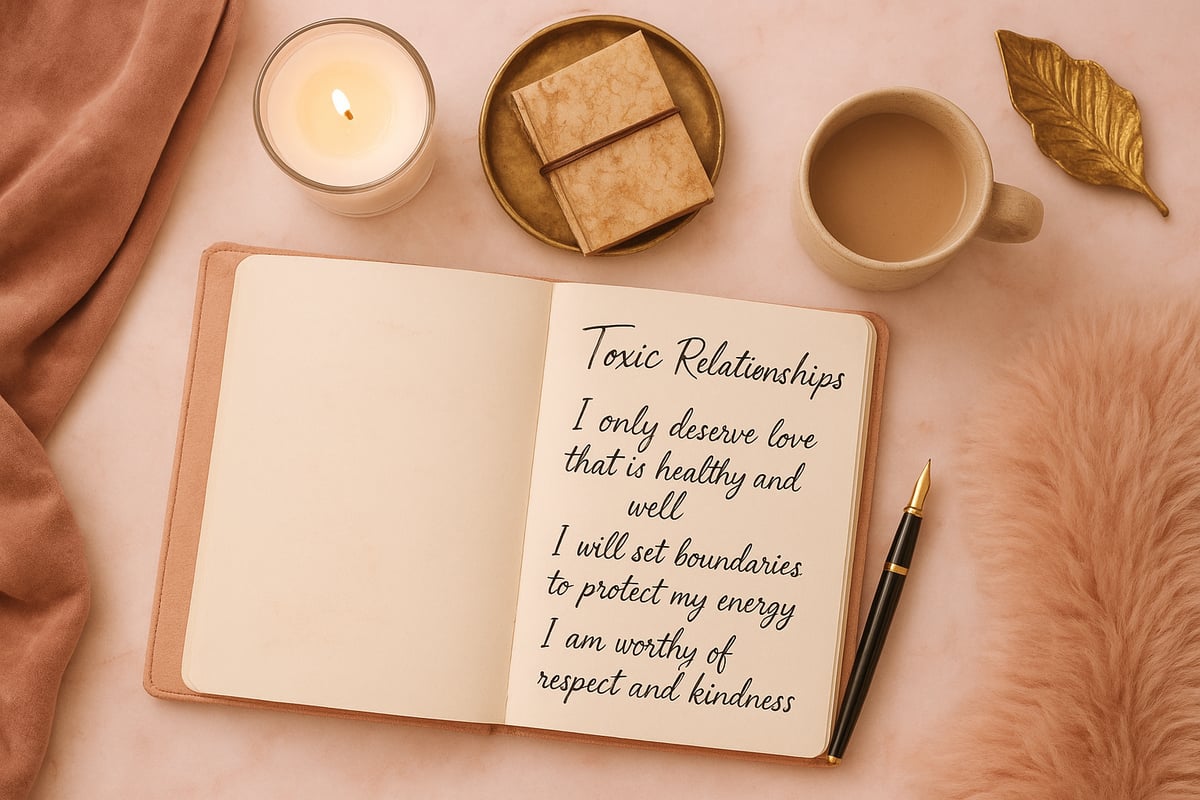
Picture this: you’re curled up on a blush velvet settee, golden candlelight flickering, journal in hand. The first step to define a toxic relationship is inviting gentle honesty into your space. This is your moment to reclaim clarity, confidence, and that cozy sense of self-worth you deserve.
Self-Reflection and Awareness
Start with self-reflection: What moments leave you feeling drained or anxious? Open your journal and ask, “When do I feel most myself? When do I shrink?” These questions help you define a toxic relationship by pinpointing patterns, not just rare arguments.
List your non-negotiables. Maybe you value financial independence, creative freedom, or uninterrupted Sunday mornings with vintage playlists. Notice when someone consistently crosses those lines.
Invite feedback from friends who know your sparkle best. Sometimes, an outside perspective highlights what you’ve normalized. If you’re unsure where to start, explore signs of a bad relationship for more guidance.
Remember, you’re not looking for perfection, just honest patterns.
Setting Boundaries with Confidence
To define a toxic relationship, practice setting boundaries with the same flair you’d style a thrifted marble tray. Script simple phrases: “I need my finances private for peace of mind.” “I’m not available for sarcasm about my décor.” Boundaries are beautiful, not selfish.
Create physical and digital limits. This means curating your social feeds, silencing notifications, or keeping certain apps private. Glam up your boundaries with cozy routines—maybe a rose quartz stone by your workspace, or a gold-lined note reminding you of your worth.
Boundaries aren’t walls. They’re plush, vintage velvet ropes that keep your peace sacred. You deserve a space that feels safe and luxe.
Seeking Support and Validation
Define a toxic relationship with the support of a glam, empowering circle. Whether you join a local women’s group, connect online, or confide in a therapist, you’re not alone. Professional help—therapy, coaching, or even legal advice—can transform confusion into clarity.
Did you know women in support groups are 43% more likely to leave toxic relationships? Community is your gold thread, weaving resilience and wisdom into your journey.
Validation is not weakness. It’s a cozy throw blanket for your heart, reminding you that your experiences are real and worthy of attention.
Celebrating Progress, Not Perfection
Every small win matters when you define a toxic relationship. Maybe you reclaimed your mornings, styled your space in blush and gold, or finally budgeted for a self-care ritual. Celebrate with a cozy brunch, vintage teacups, or a new thrifted find.
Self-care isn’t just bubble baths—it’s setting boundaries, saying no, and honoring your needs. Glamorous rituals, no matter how tiny, are resistance and self-love in action.
Progress is a journey, not a destination. Every step you take is a gold star in your story.
Toxic vs. Healthy Relationships: A Side-by-Side Comparison
Picture this: blush velvet chairs, golden light, and a table set for honest conversation. To truly define a toxic relationship, you need to see the contrast up close—like vintage black against creamy marble. Let’s lay out the differences, side by side, so you can spot what brings warmth versus what drains your glow.
| Aspect | Healthy Relationship | Toxic Relationship |
|---|---|---|
| Communication | Open, respectful, solutions-focused | Criticism, stonewalling, endless circular arguments |
| Emotional Climate | Safety, encouragement, mutual growth | Fear, anxiety, walking on eggshells |
| Independence | Both thrive, support each other’s dreams | One dims the other’s light, undermines growth |
| Repair/Accountability | Apologies, forgiveness, real change | Blame-shifting, denial, empty promises |
Key Differences in Communication and Conflict
Healthy communication feels like a warm chat over coffee, where disagreements are invitations to grow. When you define a toxic relationship, notice if every disagreement spirals into drama or blame. In toxic relationships, criticism is constant and apologies are rare.
- Healthy: “Let’s solve this together.”
- Toxic: “You always mess things up.”
Want more signs? Check out this Signs of a toxic partner guide for deeper insights.
Emotional Climate
A healthy relationship feels like sinking into a cozy, velvet chair—safe, soft, and supportive. If you define a toxic relationship, it feels like you’re always on edge, bracing for the next sarcastic jab or cold shoulder.
- Healthy: Your self-esteem sparkles.
- Toxic: You’re constantly anxious or second-guessing.
Research shows toxic relationships can deeply impact mental health. For more, see this Impact of Toxic Relationships on Mental Health review.
Independence and Empowerment
In a healthy relationship, you’re both free to chase dreams, thrift for vintage treasures, and host blush-pink brunches. To define a toxic relationship, look for signs that your shine is being dimmed or your ambitions mocked.
- Healthy: “I love your side hustle!”
- Toxic: “Why waste time on that?”
Support feels like a gold accent—subtle but powerful.
The Role of Repair and Accountability
Even vintage finds have flaws, but in healthy love, partners repair and restore with care. When you define a toxic relationship, notice if apologies are empty, or if change never lasts.
- Healthy: “I’m sorry, I’ll do better.”
- Toxic: “It’s your fault, not mine.”
Remember, true luxury is feeling safe enough to grow, make mistakes, and be celebrated for your progress.
Modern Examples and Scenarios: Toxicity in 2026
Imagine scrolling through your feed, surrounded by blush-pink flatlays and golden hour selfies, yet feeling a hollow ache in your chest. In 2026, to define a toxic relationship means looking beyond the obvious and spotting glamorously disguised red flags. Let’s explore how toxicity sparkles (and sometimes hides) in our modern lives.
Digital and Social Media Toxicity
Online, it’s easy to confuse curated perfection with true connection. Toxicity now slips into DMs and comment sections, where partners may breadcrumb, ghost, or even publicly shame. Sometimes, a relationship that looks flawless on Instagram feels empty and isolating at home.
A recent survey on social media’s influence revealed that over half of respondents questioned their relationship health after seeing “therapy speak” online. To define a toxic relationship in 2026, we must notice when digital affection is just a filter, masking emotional distance or manipulation.
Financial and Lifestyle Manipulation
Toxicity also glimmers through gold-foiled budgets and cozy thrift finds. Maybe your partner mocks your passion for sustainable living, or sabotages your budgeting goals by “accidentally” spending funds. Sometimes, it’s guilt-tripping you for investing in self-care or seasonal rituals.
To define a toxic relationship here, look for subtle power plays: restricting access to money, undermining your career moves, or dismissing your dreams as “silly.” These actions aren’t just about dollars—they’re about dimming your sparkle.
Family, Friendship, and Workplace Toxicity
It’s not just romance. Defining a toxic relationship means spotting patterns in every velvet-draped corner of your life. Maybe a friend always “borrows” but never gives back, emotionally or materially. Perhaps a family member layers guilt over every brunch, or a coworker spreads gossip with a smile.
These vintage-patterned dynamics often blend in, but their effects linger—leaving you drained, anxious, or doubting your worth. The first step to define a toxic relationship is naming these patterns, even when they’re wrapped in nostalgia or obligation.
Empowered Responses: What Works Now
You can reclaim your peace and glam with empowered action. Use privacy controls and boundary-setting apps to protect your digital space. Build a supportive circle of women who celebrate your wins, from budgeting breakthroughs to blush-pink brunches.
Remember, to define a toxic relationship is to honor your intuition and values. Small acts—like decorating your space or saying “enough”—are powerful. Each cozy ritual, vintage find, or bold boundary is a step toward a life that feels as beautiful as it looks.